How to Choose the Best Facial Cleanser for Your Skin
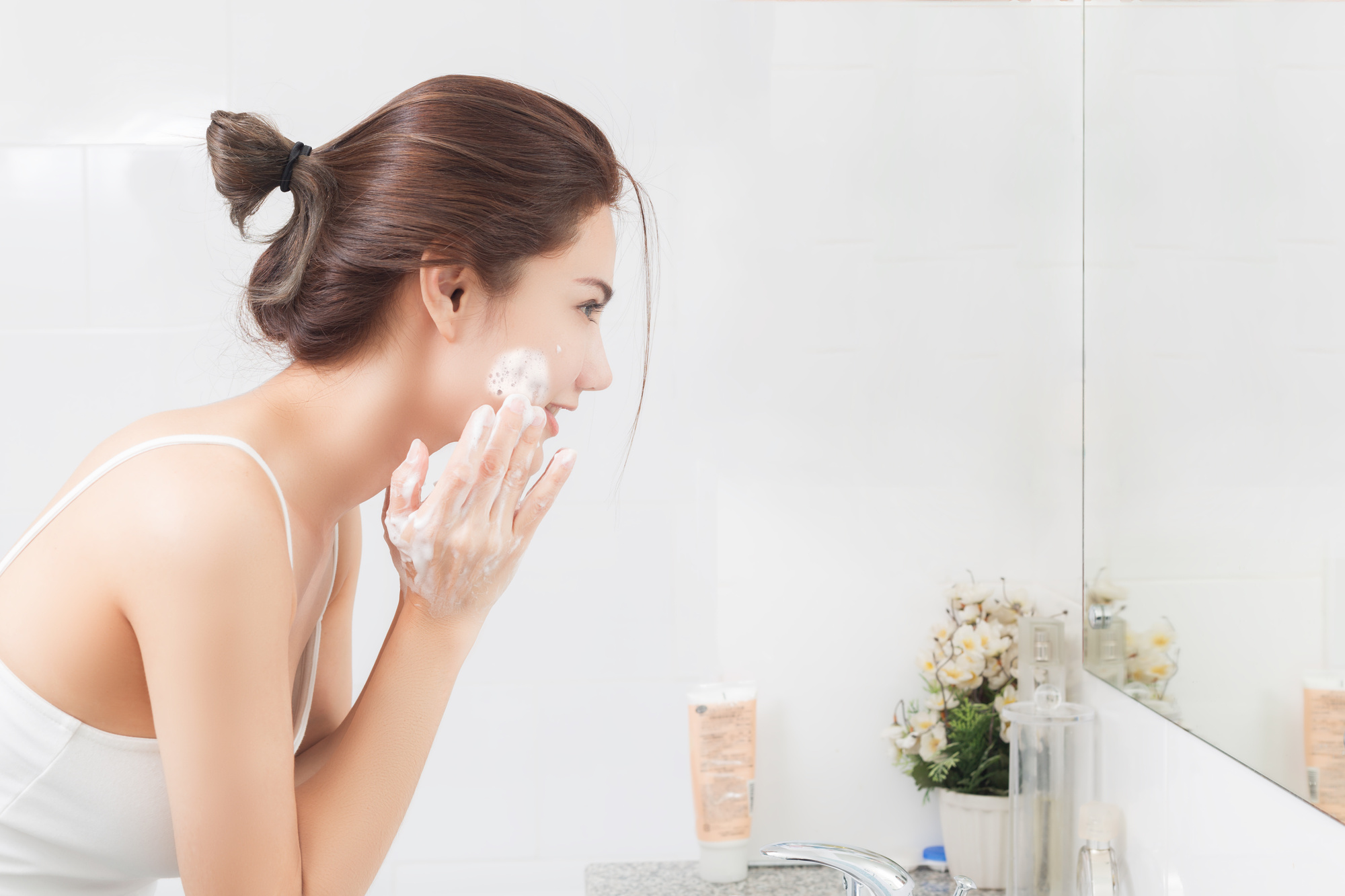
 

Healthy skin fosters a healthy body. Protecting your skin is essential to prevent damages from the sun or other injuries. And besides the health benefits, glowing skin helps you feel beautiful, youthful, and confident.

This all starts with protecting your delicate face. That’s why it is so important to establish a skincare routine early on and choose the best facial cleanser. Cleansers are an essential step in caring for your skin.

They remove dirt and impurities and keep skin feeling fresh. But what are the skincare products you need to know about?

In an overwhelming beauty market, how can you choose the best facial cleanser for your specific skin needs? Read on to discover the top tips you need to know. 

Know the Skin Types 

Do you know your skin type? You may have seen skincare products touting “best for oily skin,” or “ideal for combination skin.”

Knowing your skin type, whether that’s oily, dry, or combination can help identify the best facial cleansers for your specific needs. While not all cleansers are formulated for particular skin types, this knowledge can give you a head start in knowing what products to avoid or be on the lookout for. 

Discover Your Pain Points 

Your skin type can help to reveal specific skin pain points. For example, does your oily skin create acne and unsightly pimples? Do you experience frequent flakiness because of dry skin?

Knowing your skin pain points can help you choose a facial cleanser to address these problems. If you struggle with dry skin, a hydrating and moisturizing facial cleanser may be best. 

You can even find a face wash specifically formulated to address medical skin conditions. Pain points help you pinpoint the correct skincare. 

Check Face Wash Ingredients 

Reading beauty product ingredients can feel overwhelming. You may even struggle to pronounce more than half of the list! But having a general understanding of face wash ingredients is essential to achieving the best skincare.

Knowing the ingredients can also help you tackle those pain points. For example, Vitamin C is known for its brightening effects. While retinol can prevent wrinkles. 

Follow Your Skincare Routine

Before purchasing a facial cleanser, make sure that this product will fit well into your skincare routine. For example, does the facial scrub require a brush or a special tool you’ll feel too lazy to use?

Will you enjoy using a foam or gel cleanser? Finding the right cleanser involves choosing a product that aligns with your needs but also sets you up for success to actually reap those benefits. 

The Right Facial Cleanser Can Transform Your Skin 

Choosing the best facial cleansers does not have to feel overwhelming or like an impossible task. These tips can help you identify your skin type and tackle skin pain points. This valuable knowledge will help you choose cleansers that suit your specific needs and skin goals.

Remember to check ingredients and consider how useful this potential cleanser will be in your daily skincare routine. Did you find this information helpful? Then, check out our other beauty stories. 
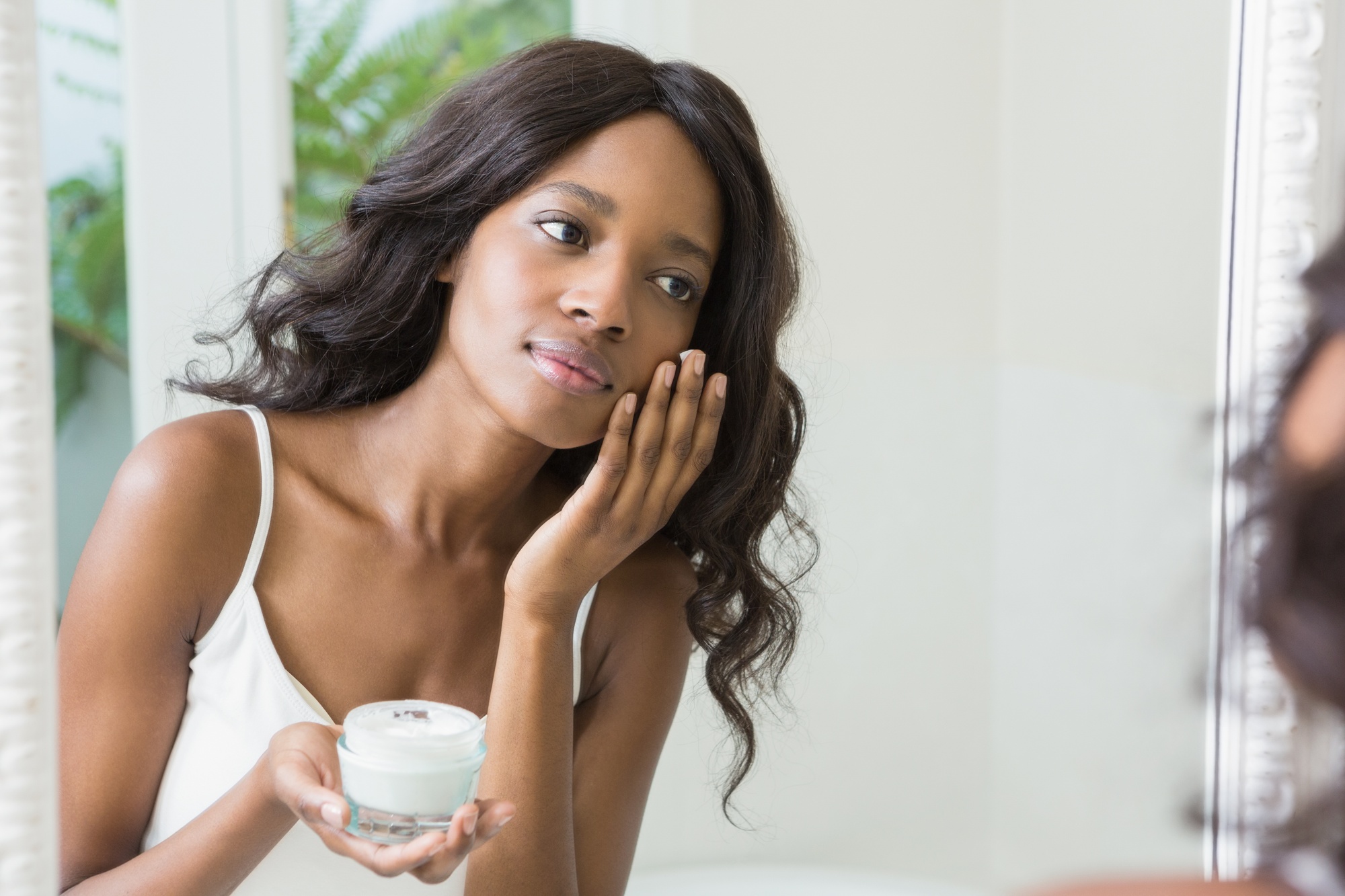
 

5 Tips for Healthier Skin

According to a 2017 report from the Journal of the American Academy of Dermatology, skin conditions and skin diseases affect millions of people all around the world. Skin is a vital part of the body. It helps hold muscles, organs, and bones together and acts as a protective barrier.

Skin is also a major factor in overall appearance and self-confidence.

Therefore, it is critical to take good care of our skin. Keep reading this article to learn five great tips for healthier skin!

1. Tips for Healthier Skin: Sun Protection

One of the best pieces of advice on skin care is to protect it from the sun. Excessive sun exposure may cause wrinkling, sunspots, and increases the risk of developing skin cancer. Sunscreen should be applied regularly when spending time outdoors.

For increased periods outside, reapply sunscreen every 2 hours, or more frequently depending on how strong the sun rays are.

Sunscreen should also be applied more regularly at the pool or beach because spending time in the water can make the sunscreen wear off. Other methods of protecting skin from the sun are wearing protective gear, such as hats, sunglasses, and long-sleeved clothing.

2. Cleanse with Care

Cleansing the skin should be a daily activity.

Whether it is in the bath or the shower, avoid using hot water, and instead opt for warm water. Bathing with extreme temperatures strips the skin of natural oils and causes dryness. Additionally, avoid using towels or soaps that feel rough against the skin.

When washing the face, use products that cater to your skin type. Furthermore, pay attention to how the skin responds to your skincare routine. Washing too frequently can also lead to dry skin.

3. Hydration

When taking care of your skin, it is important to stay hydrated. Drinking lots of water removes the toxins in the skin and helps balance the body’s natural oils, therefore reducing the presence of acne. Drinking water also improves skin elasticity and reduces wrinkle formation.

4. Reduce Stress

Reducing stress is another way to love your skin, as well as the rest of your body. When the body is stressed, it can trigger hormonal fluctuations and lead to acne. Stress can also interfere with skin care, by reducing the energy or motivation to keep up a skincare routine and other daily habits.

5. Procedures and Treatments

Although plenty of tips for healthier skin can be applied at home, there are also some effective treatments and procedures that benefit the skin.

Getting a facial is a great way to keep the skin hydrated. Most facials also include a massage, which improves blood circulation. Proper blood circulation will supply oxygen to the skin cells. Fully functioning skin cells can better protect against inflammation, promote healing, and reduce dryness.

Another commonly sought out procedure is microdermabrasion. This procedure removes the top layer of the skin and is effective for getting rid of acne, wrinkles, and acne scarring.

The Body’s Largest Organ

The skin is the body’s largest organ, and therefore requires a lot of work to keep up its glow. Although not all of these tips for healthier skin need to be followed, incorporating as many of them as possible into a skin care routine is a great way to keep the skin healthy.

For other helpful health and beauty tips like these, check out the rest of our site!

Ionic vs. Ceramic Hair Dryer: Which Is Better?

It’s no secret that we spend a lot of money on beauty maintenance, including hair care. With all the different hair types in the world, it can be overwhelming to find the tools and products that work for you. 

This is particularly true when finding one of the most iconic hair tools—the hair dryer. Take one look at any beauty supply store, and you’ll see shelves lined up with a variety of different hair dryers. When it comes to an ionic vs. ceramic hair dryer, which is right for you?

Keep reading to learn more. 

What Is an Ionic Hair Dryer?

You may remember the word Ions from your old high school physic class. They’re the invisible particles that are present all over us. Positively charged ions, however, create issues for your hair.

This includes pesky problems like frizz, flyaways, and static electricity.

Ionic styling tools emit negative ions to attract positive ones, causing a neutralizing effect. When your hair is wet, it breaks up the water molecules and allows the smaller droplets to penetrate the outer layer of the hair shaft. This helps get rid of static electricity and reduces flyaways and frizz, leading to radiant hair. 

This is a great option if you want to use a lower temperature to dry your hair, preserve the definition of your curls, dry your hair quickly or not worry about frizz.

What Are the Drawbacks?

What kind of comparison would this be if we didn’t mention the drawbacks? For starters, ionic hair dryers make it easier to over-dry your hair. This is a red flag for anyone who has fine hair. 

Additionally, if you do have fine or oily hair, it may be left looking limp. If you want a look with lift and movement, you might not want to go with an ionic hair dryer. It can be easy to go overboard and over-dry your hair, robbing it of any volume or texture. 

Another drawback? You’ll be spending more money on an iconic hair dryer. They tend to be a pricier option and not as budget-friendly as their ceramic counterpart. 

What Is a Ceramic Hair Dryer?

Ceramic hair dryers are great for pretty much all hair types. The inside of these hairdryers is coated to help distribute heat evenly. Traditional hairdryers have a more uneven airflow. 

Ceramic hairdryers regulate heat by sensing the temperature of the room and adjusting accordingly. You’ll notice that the air coming from your hair dryer is hotter initially, but it cools gradually. Your hair will be drier, quicker and there will be less damage in the process.

What causes this magic? Ceramic is a composite material usually made of clay, and it creates far-infrared heat to penetrate the hair shaft. This maintains the hair’s natural moisture. 

It heats up quickly and provides even coverage across the surface of your hair. That means you can expect your hair to dry gently, from the inside out, without the worry of damage. 

Essentially, if you see the word ceramic in the description of a hair dryer, it’s a good thing. 

What Are the Drawbacks?

Both the ionic and ceramic hair dryers have the same drawback: they’re more expensive than traditional hairdryers. However, this is a classic case of ‘you get what you pay for.’ Ceramic hair dryers are a reliable and durable option that will make a significant difference in your hair’s appearance. 

You should also know that ceramic models do release some negative ions to help control frizz. However, if frizz control is your main worry, you might want to invest in an ionic hairdryer. They’re superior to ceramic hair dryers in controlling frizz. 

What Are My Other Options?

If neither of these options works for you, or you want to know how to dry your hair without a blow dryer, there are alternatives. 

For one, you can get the benefits of both ionic and ceramic technology with combination dryers. These are great because they contain that ceramic coating while also distributing the negative ions for quick drying. 

There are also a variety of different kinds of hair dryers available. 

Another great option for frizz-prone hair is tourmaline hair dryers. Tourmaline is a gemstone that’s crushed into a fine powder and built into the internal components of a hair dryer. When this powder is cooled, heated, or pressurized, it emits both far-infrared heat and negative ions. 

This is a fancy way of saying that it can get rid of frizz. 

If you prefer a more natural way of letting your hair dry, you can still create style and definition without electricity. The right combination of techniques or products can mean the difference between damaged hair or healthy-looking locks. 

Use an absorbent towel to squeeze excess moisture from your hair after stepping out of the show. Blot your hair with that towel to soak up any water. Be sure not to rub. This causes frizz.

You can then apply any products and let your hair air-dry. Of course, this isn’t the best method to go with if you’re in a rush, but it’s the least damaging by a landslide. 

Ionic vs. Ceramic Hair Dryer: Which to Choose

When it comes to your hair health, there’s no room to mess around. The wrong product or tool can leave you with constant bad hair days, so it’s better to do your research before making any impulse purchases. 

With hair dryers being one of the most important tools in your styling kit, it’s important to know which is right for your locks. Knowing the difference between an ionic vs. ceramic hair dryer can save you an emergency trip to the salon. 

Looking for more articles like this? Be sure to check out our blog for tips on thrifty living!

Importance of Finding a Caregiver for Your Elderly Parents

Are your elderly parents still living their best lives? Or are they struggling with getting old. If they’re not out on the town every night and would rather be in bed you’ll want to be able to look after them properly. 

You might have become a carer without even realizing it. The role of the carer, to begin with, does not feel overwhelming. However, as the care needs of an aging parent increase due to declining health, this role becomes increasingly draining. 

Care for aging parents often begins with small things like shopping, picking up prescriptions, and helping with household chores.

Over time, if you carry out practical care such as bathing,  shaving, and helping them go to the toilet, the stress level increases.

Here’s why you should be finding a caregiver and the cons of caregiving by yourself. 

Avoid Emotional Exhaustion 

Children who bear the primary responsibility for caring for an aging parent can experience burnout. Brothers and sisters who are used to being looked after then have to help.

When help is requested, they can go in the opposite direction and can abandon aging parents. This is a sad fact of life. 

Emotions associated with family interactions can lead to a greater need for nursing support. Because most foster carers want to avoid family drama, they keep quiet about those affected. Having other caregivers with whom you can talk and understand can create the necessary trust.

 Friends and family do die. The time between retirement and the golden age turns out to be full of sadness and loss. Isolation can lead to loneliness and depression.

Many aging parents believe they are doing well, but this is not always the case. A high percentage of older adults are unable to stay at home and look after themselves. An accident or illness is sufficient to increase the need for care in the blink of an eye.

Complicated Illness 

There are few, if any, practical and proven resources that provide specific information about what it takes to help an aging parent struggling with a disease.

Prescriptions should be written with an explanation of the consequences of the health diagnosis. 

Frustration is mounting and mistrust of the system is building. Care and treatment are withheld from aging adults. Caregivers of aging adults do not understand the information or are afraid to ask questions about how to care for an aging parent, and the care situation deteriorates rather than improves.

Lack of health information is a significant gap between the retirement age and the dream age of retirement.

Health literacy rates are too low. This means that many adults lack information on how to stay healthy in the later years. Few realize that measures taken by young adults can lead to quality of life for older caregivers and the necessary health effects on retirement health spending.

The best way to look after an aging parent is to invite a carer that you trust into your life who understands your parents’ medical needs. 

Mental Illnesses 

Care for aging parents is a vital part of any care situation. Don’t be shocked if the health service tells you that, as you get older, your elderly relatives won’t be able to take care of themselves as much as they would like. This is especially true if they are diagnosed with dementia or another disease.  

There are no manuals to educate caregivers about all aspects of caring for an aging parent or dealing with unexpected care situations. This is one of the many cons of caregiving by yourself.

Maintaining Your Work/Life Balance 

Don’t forget it takes work to maintain health and life. You have your own life to lead. What few people know is that life becomes more difficult when someone has health problems. It becomes unbalanced, uneven and could lead to you getting fired from your job. 

This can be difficult for carers to think about, especially if they know or do not know what to do. Many lack understanding of the support components needed to help their parents. Adults and children who care for their aging parents often feel that their lives carry an air of duty of care.

No one wants to be told what to do, not even the carer. At a time when a loved one’s health continues to deteriorate, caregivers often feel hopeless, powerless, and do not know how to do anything. Older parents often don’t accept your help. They might be more willing to accept help from a stranger.

Retirement 

What if you are an elderly caregiver? Perhaps you are in your 70s or 80s and your parents have lived a long life and are now in their 90s or 100s. Some people in their 90s are still active and independent.

Queen Elizabeth II is now 95 yet continues her active service, meeting the subjects of the Commonwealth. Her son and heir, The Prince of Wales, is 72. Other people at this age, however, are bedridden. When does your parent need a caregiver? This is different in every family. 

But if you are yourself retired then hiring an external caregiver is just as important as your own health might suffer.  This is because retired caregivers are an increasingly common phenomenon in an aging population.  

It’s a Worthy Investment 

Consider how families pay for home caregivers – costs that insurance does not reimburse. You might think it’s better to do it yourself. But forking out the money will save you emotional stress. 

The creation of a care plan enables the family to cope with the most challenging parts of caring for an aging parent.

There should be a discussion about the cost of care. This conversation could also be conducted by an expert. Try to work this out as soon as possible and not leave it until the last moment.

Power of Attorney 

There is no debate about the importance of having a power of attorney to care for an aging parent. Especially one is no longer fit to make decisions. 

Delaying action in a care situation can be a disaster. But be sure to consult with other family members before you make this decision. 

Elderly Parents: Hire a Career 

Taking action to find care support is an important step. Don’t try to do everything yourself. It can lead to the end of your job and even the breakup of your marriage.

You are better to pay the money for a career than have the drain of emotional stress.

If you are interested in learning more about how to care for your elderly parents be sure to check out the rest of our site. 

What Are the Different Types of Weddings?

In the past, the wedding ceremony was structured as a formal affair.

Marriage vows, the swapping of wedding rings, the proclamation—at its core, marriage is a deeply religious and special ceremony. 

Today, it doesn’t have to be this way. It can be a more relaxed event. You have so many choices and types of weddings. 

So the question is about what kind of ceremony suits you. Here’s everything you need to know. 

A Celebratory Meal

It’s not a strict requirement, but the wedding can include a meal after the wedding with the guests. This mirrors the ancient banquets that took place in medieval times. 

What should this include? Typically, there would be meat such as duck, goose or chicken served with roast potatoes. But there could also be other options available for vegans and vegetarians. Giving your guests options is important.

Different Types of Weddings 

The type of wedding ceremony that you choose will affect decisions about what rituals you include in your ceremony, how you exchange vows, and who will oversee it.

Religious Vibes 

Mostly, religious ceremonies have their own standards and processes based on their doctrine. If you are a faithful follower of a particular faith or religion, you may want your parish to recognize your marriage.

If the ceremony is held in a church, it may be impossible to customize the room with wedding decorations, floral arrangements, motifs, and elements. If you want this, consider a civil ceremony instead. 

Civil Religious Ceremonies 

Another possibility is that services are held in a non-religious place where religious leaders incorporate the traditions, customs, and teachings of your faith into the legal requirements of your wedding ceremony.

After the wedding in a civil venue, the bridal couple and the wedding party receive communion with the guests or attend a blessing ceremony.

The Church of England does not recognize the marriages of previously divorced couples and The Queen is the Supreme Governor of the Church of England. Therefore, the heir to the throne, The Princes of Wales, married his second wife, Camilla Parker Bowles, in a civil ceremony. Afterward, they attended a blessing in which The Queen was present. 

Non-Religious Civil Marriage 

In a non-religious civil marriage, your marriage is legalized by taking vows and signing a marriage contract. The master of ceremony presides over the ceremony rather than a religious leader. 

Most of the time, this master is an official such as a judge, court clerk, mayor, or religious leader. It can also be held in a town hall, courthouse, or local registry office suitable for civil weddings. The civil wedding ceremony is simple and not extravagant. 

Because of the lockdowns across the world, the tiny country of Gibraltar, a British Overseas Territory, has become a hotspot for getting hitched. 

Jewish Weddings 

The huppah (wedding canopy) is the bridal chamber itself. It includes the newlyweds and the rabbi during the ceremony. In our time, these words symbolize the couple entering the room.

The wedding ring is a simple gold stone. When the groom puts the ring on the finger of the bride, he says that according to the religion of Moses and Israel she is sanctified by his wedding ring.

He and the bride sip wine from the same glass. The glass is covered with a cloth. When the groom steps forward, the glass is shattered. This represents mourning for the destruction of the Temple in ancient Jerusalem.

Jewish weddings are forbidden on holy days such as the Sabbath. Since these days end with sunset, many Jewish couples have Saturday evening weddings.

Men cover their heads in synagogues as a sign of respect for God. Guests are also given a yarmulke.

Islamic Ceremonies 

The bride and groom say their vows in a mosque in the presence of family, friends, imams, and religious leaders. Islamic weddings are not very elaborate. There are no restrictions on the color of clothing, but modest clothing is expected.

Taking off shoes is not only a religious custom, but also a hygienic custom, as the faithful pray without touching the floor. Shoes must be taken off before entering and placed on a rack.

At the end of the ceremony, all present peace be upon Him, Allah, to each other. Ceremony and reception usually take place in a hotel lobby. 

Simple vs Elaborate 

Some civil ceremonies do not have the usual wedding rituals such as reading music, vows, or other forms of personalization. 

This is where couples have chosen to get married on their own without a big audience. Typically, this takes place when the couple is on vacation such as in Barbados or the Maldives. 

One type of simple ceremony is a humanistic ceremony. 

Humanistic ceremonies have at their core the belief that all great members of society should follow a moral code, rather than adhering to beliefs dictated by a higher power such as God or Allah. 

If you are looking for some inspiration, try these Ketubah Designs That You’ll Love for Your Wedding.

There Are So Many Types Of Weddings

There are so many types of weddings that take place in modern-day society. As a couple, you can have any kind of ceremony that you want. From a humanist celebration to a non-religious ceremony that is accompanied afterward by a blessing. It’s entirely up to you. 

After you have agreed on the basic principles of the service, you can then begin to customize it to how you want it.

If you are interested in learning more about the types of weddings be sure to check out the rest of our site. 

10 Personal Hygiene Tips Every Man Should Know

Did you know that your body carries about 100 trillion microbes, including viruses and bacteria, each day? That number is about 14,000 times more than the population of humans on the planet. 

While some of the bacteria you carry are necessary and safe, others can make you sick. That’s why it’s important to maintain good personal hygiene. 

Knowing personal hygiene tips is vital for being healthy and happy. This guide will teach you everything you need to know. Keep reading to learn more. 

1. Take Care of Your Oral Health

Part of maintaining good health and wellness is taking care of your oral health. It’s important to brush your teeth twice a day, in the morning and at night. 

Make sure that you floss once a day and use mouthwash too. These daily practices will prevent the build-up of bacteria that can lead to tooth decay and tooth loss. 

Maintaining oral hygiene means keeping a healthy smile and preventing bad breath too.  

2. Keep Your Hair Clean 

Keeping your hair clean and healthy is another important hygiene tip for men. While you want your hair to be clean, washing it daily might dry it out and make it lose its shine. 

Washing it about three times a week can help maintain your hair’s natural oils without it getting too dirty. Make sure to style your hair each day so you can look your most presentable. 

Depending on your hair texture, you should be getting haircuts every one to three months. This helps get rid of spilt ends and keeps your hair healthy. 

3. Daily Showers Are Vital 

While this might be an obvious tip, it’s important to have it on the list. Daily showers will wash away dirt and grime from the day and keep you smelling great. 

Make sure to apply deodorant after your showers to avoid body odor throughout the day, especially if you’ll be spending time outdoors. Other personal hygiene products you should use include body powder.

Body powder will help you feel fresh and prevent sweat and odors. Check out officialnutdust.com for all your body powder needs. 

4. Take Care of Your Nails 

Many people view manicures and pedicures as something reserved for women, but that couldn’t be further from the truth. Taking care of your nails on both your hands and feet is vital to personal hygiene. 

Make sure you’re clipping your nails regularly. Long nails can collect dirt, make your nails’ appearance and your overall level of hygiene bad. 

You can take things a step further by going to a salon so a professional can care for your hands and feet for them to look their best. 

5. Have a Beard Routine 

Personal hygiene for men should also include regular bead maintenance. If you have a beard, then you should have a routine you follow each day to keep it as clean as possible. 

Shampooing your beard each day will get rid of any germs that build up throughout the day. Using a conditioner will help maintain softness and shine after washing.

Beard oil is essential to reducing flaking and keeps your beard shiny too. Trimming your beard helps keep a stylish shape and helps you maintain good hygiene too. 

6. Hand Hygiene Prevents the Spread of Germs

The number one way to prevent the spread of germs is good hand washing. Make sure you’re scrubbing your hands for about 20 seconds with soap before washing off with water each time you touch a dirty surface. 

Keep hand sanitizer nearby for times you can’t access soap and water. Having hand lotion with you is another option to consider. This helps keep your hands moisturized when they start feeling dry. 

7. Facial Care Is Crucial 

A facial care process in the morning and at night should be part of your daily routine as well. A hydrating face wash is necessary to keep your skin clear and healthy. 

A foaming cleanser is best for oily skin, while a cream cleanser is the better choice for dryer skin. After washing your face, you should apply a moisturizer to maintain hydration. 

8. Body Hair Removal Is Recommended

While it’s more expected for women to remove body hair, men can remove their body hair as well. Having a hair removal routine is recommended to prevent dirt and sweat from accumulating in your body hair and causing a bad odor. 

Shaving your body hair will make cleaning your body easier. Make sure you have separate tools for removing the body hair around your intimate area. 

9. Keep Sinuses Clear 

Keeping your sinuses clear is a sign of better personal hygiene. Bacteria can enter your nose and lead to infections. 

When you don’t clean your nose, your sinuses can build up excessive mucus and become inflamed. This mucus can lead to bad breath and other issues too. 

Use decongestants and nasal sprays to help clear your sinuses and maintain good personal hygiene. 

10. Don’t Forget About Your Ears

Many people forget about their ears when practicing their daily personal hygiene routines. Your ears can build up a lot of wax, and cleaning them is vital to maintaining cleanliness. 

Wash your ears in the shower with soap and water. If you find it easier, you can use a damp cloth to clean the outer area of your ears. Don’t forget about cleaning behind your ears. 

Personal Hygiene Tips You Should Follow 

Every man should have some personal hygiene routines in place. This list contains many important personal hygiene tips you can incorporate into your daily routine.

Make sure to shower daily and use products like deodorant and body powder to combat sweat and odors. 

Did you find this article informative? Ensure to check out some of the other health and wellness blogs on our site to learn more tips. 

6 Makeup Vanity Ideas for Reorganizing Your Beauty Routine

Have you ever thought about the space you get ready in?

Your vanity is often the place you start and end the day. It’s where you sort your hair before work, where you get ready for a night out with your friends, and where you take off your makeup when you’re ready for bed; it’s one of the most personal areas of a home!

So, making sure it’s a comfortable, organized space is essential. But, where do you start?

Take a look at these makeup vanity ideas to get inspiration for your own.

Make Sure It’s Well-Lit

When you’re getting ready, you need to be able to see what you’re doing – it’s a bit of a must! Natural light can work well, but only if it’s not cloudy and not the evening, so it’s a bit unreliable. That’s why you should always invest in good artificial lighting.

Some people enjoy light-up mirrors while others prefer softer lamps. It doesn’t matter which you prefer, as long as it’s bright enough to see your makeup with! 

Invest In Organizers

When it comes to small makeup vanity ideas, you need organizers to stop your area from looking cluttered. You can get organizers for just about anything these days, from your eyeshadow palettes to your brushes! If you have a large makeup collection, it’s best to get organizers for specific makeup products, whereas if you stick to a simpler routine a multi-purpose organizer should do the trick. 

For a minimal space, stick to plain, see-through organizers. If you’d like to add more character to your vanity, take a look at themed organizers here

Use a Panelled Mirror

While a large mirror on your wall definitely has its own appeal, a panelled mirror is a must for any makeup lover. These are mirrors that have multiple panels that you can move. They’re usually made up of three panels; one directly in front of you and two on the sides, letting you see your face from different angles as you get ready. 

From ensuring your highlight is perfectly placed to not leaving a strand of hair unstyled, a panelled mirror will transform your makeup routine!

Add Hidden Storage

If you’re on the hunt for DIY makeup vanity ideas, you’ll love hidden storage! By adding secret storage you can declutter your vanity without making your space look full of drawers and cupboards. One great hidden storage idea is to create a mirror that opens up like a cupboard to reveal a compartment for all of your makeup. 

Here’s how to make yours in the simplest way possible:

  • Use wood glue to attach four panels of wood together, creating the outline of a square
  • Cut a piece of wood to size to fit on the front of the square (not so it slips through, but instead so it sits on the square)
  • Add a hinge on one side of the square and attach it to the piece of wood to create a cupboard
  • Glue a mirror onto the front piece of wood 
  • Add two magnets on the side opposite the hinge so that the cupboard closes

You can add more pieces of wood within the square outline to create shelves, depending on how much makeup you have. It’s super simple but very effective!

Use Paint or Wallpaper to Create a Nook

If you’re looking for makeup vanity room ideas, why not create a nook for your vanity? Splitting a room into specific areas is a great way to make it neater and more organized, and your beauty space will look more inviting than ever!

To make your nook is easy. Simply use wallpaper paint in a contrasting color to the rest of your space to highlight the area. Make sure the edges are straight and the paint reaches just beyond the length of your vanity. You can then place your vanity in front of this section of wall and you’ve created a super stylish nook that you’ll love to get ready in. 

Keep Things Simple

When it comes to makeup vanity decor ideas, the most effective looks are always the simplest. Your vanity is a purposeful space and too much clutter will make it difficult to get ready! So, keep decor to a minimum.  

Some simple makeup vanity top ideas that can add life to your space without taking over it include:

  • A small green plant i.e. a succulent
  • A selection of your favorite perfumes
  • Fresh flowers in a vase
  • A couple of small coffee table books
  • A pot for your makeup brushes

Opt For a Natural Look

The classic look for a vanity is a white painted desk or table, a big mirror, and lots of makeup organizers. While there’s no denying that’s a gorgeous look, it isn’t the only option! Play around with different themes to create a more unique space that reflects you, your home, and your lifestyle.

For example, one look that’s becoming more popular right now is a natural theme. To achieve it, purchase a round mirror with wood panelling, a wooden table in a matte paint finish or without paint at all, and add a plant or flowers. Try to opt for nature-themed beauty items, too, such as makeup brushes with bamboo handles and floral fragrance bottles to finish the look.

Start Bringing These Makeup Vanity Ideas to Life

Use these makeup vanity ideas as inspiration for your space. Remember, you don’t have to stick to any one idea or theme, and can mix and match as much as you want! It is your space after all, and there are no rules. 

If you enjoyed this article, feel free to check out more on our website! We have plenty more tips on how to improve your home on a budget and live a thrifty life.