5 Skin Conditions to Watch Out For

Is that rash just sunburn or something you need to get treated?

Of everything that can go wrong with our bodies, skin conditions are one of the most frustrating because they can be pretty hard to hide. Fortunately, there are plenty of things you can do to help treat or even prevent some of the worst skin conditions out there, as long as you know how to identify them.

Do you have a rash you’re worried about but aren’t sure what you can do about it? We’re here to help! Here’s everything you need to know about five of the most common skin conditions out there.

1. Shingles

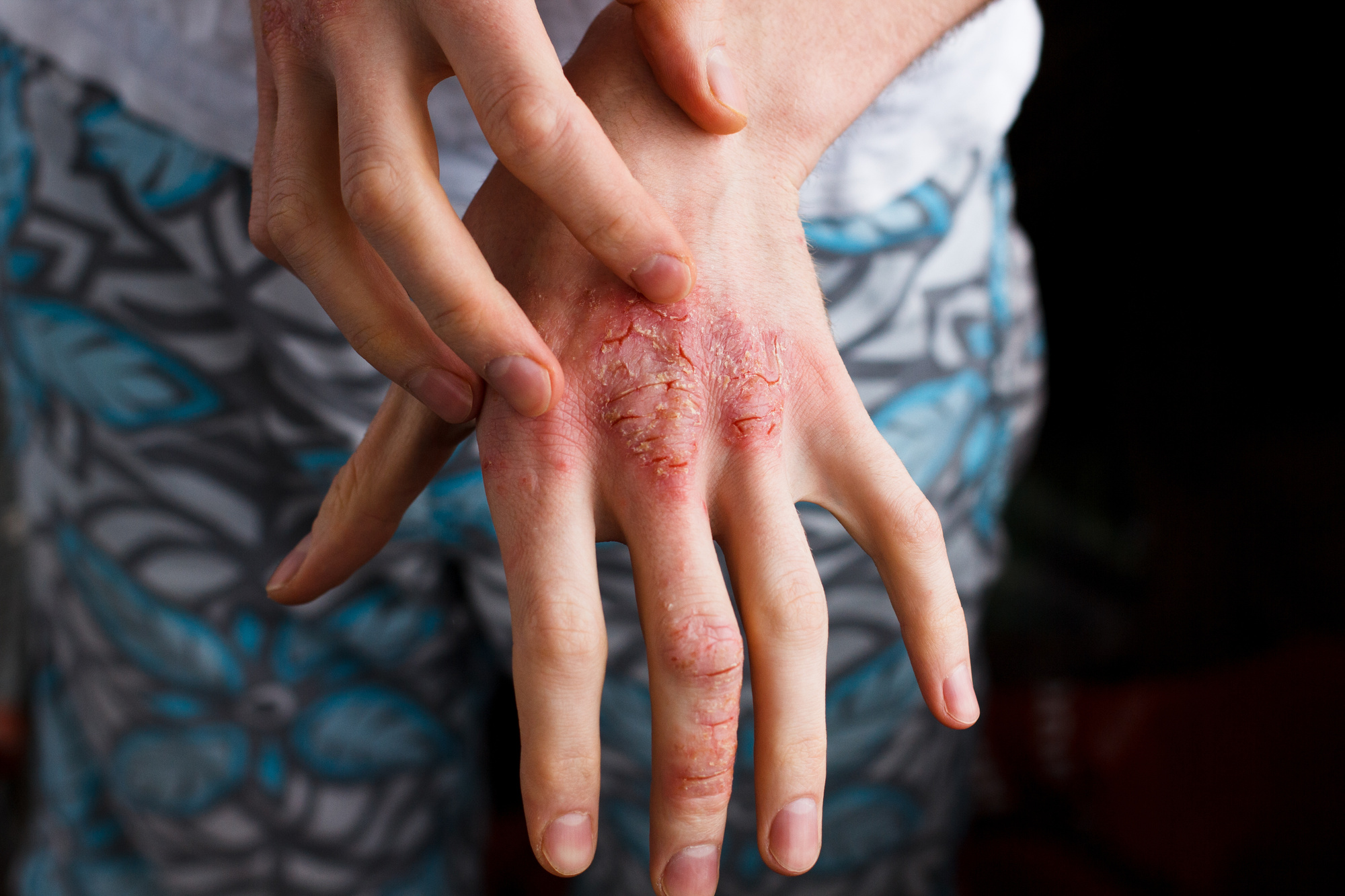
Of all of the skin conditions on this list, shingles are probably the most uncomfortable. Shingles are pretty easy to recognize on-site it shows up as a dark rash made up of several small bumps. However, those who contract shingles often feel it before they see it. Like chickenpox, shingles are incredibly itchy, but on top of that, they can also be highly painful and even feature a burning sensation.

Shingles are generally more common in adults over the age of 50. That said, younger adults, particularly those who work high-stress jobs or are stuck in a long-term, high-stress situation, can also develop shingles. It’s important to note that while shingles look scary, they are not contagious.

If you contract shingles, you must seek professional treatment as soon as possible or risk having to live with an itchy and painful reminder of your run ion with shingles for the rest of your life.

2. Cold Sores

As far as skin conditions go, cold sores seem pretty mild. But, if left unchecked, a minor cold sore outbreak can transform into a painful and unsightly rash that you’ll have to keep dealing with for the rest of your life.

Cold sores come from a particular strain of herpes. And while you can pick up this strain from acts like kissing or sharing a drink, it can also come from your genetics.

Cold sore outbreaks generally stem from fevers, too much stress, or even hormonal imbalances. Fortunately, cold sores are pretty easy to take care of and usually clear up in about a week.

3. Hives

While hives alone aren’t a problem, they could be a sign of a severe allergy.

Hives generally show up as itchy red patches and can fade in a matter of days. That said, while they can come from exposure to extreme temperatures or another illness, they can also stem from food allergies or even an allergic reaction to certain medicines.

If your hives don’t clear up on their own in a few days or return consistently, you should consider consulting a medical professional to figure out what is causing them.

4. Warts

The biggest issue with warts is that you can spread them to yourself!

Warts come from the human papillomavirus, and contrary to popular belief, don’t come from handling toads. The only way to get a wart is to touch someone with a wart or something they came into contact with recently.

While warts aren’t particularly dangerous, most people aren’t fond of the way they look. Fortunately, thanks to medical advancements, you can get rid of most warts in the comfort of your home.

5. Eczema

Although it is considered one of the most common skin conditions out there, eczema is a blanket term that covers most rashes that medical experts can’t identify.

Eczema can affect people of all ages — baby eczema is a surprisingly common concern for new parents. While eczema can come from anything to added fragrance in lotion to stress, it’s generally pretty easy to handle with the help of medication.

The Most Common Skin Conditions

Now that you know a bit more about the most common skin conditions out there and how to treat them, it’s time to start checking your skincare routine to see what you can change to protect yourself.

Are you looking for more advice on how to care for your skin? We’ve got you covered! Check out the rest of our blog for more helpful articles and tips today!

Dealing With Dust Allergies? 5 Signs Your House Needs a Deep Cleaning

Did you know that over 50 million people experience allergies? It’s one of the most common health issues and can be debilitating. If you are one of the many people that are allergic to dust, it can be a constant problem. 

Nobody likes suffering from dust allergies. Thankfully, deep cleaning your home can help remedy this issue and ensure better health overall. Here are the top five signs that your home needs a good cleaning. 

What Are Allergies?

First things first: what are allergies? Simply put, allergies are caused by your immune system’s response to a foreign substance. It can be food, insects, medicine, or very commonly–dust. 

What Do Allergy Symptoms Look Like?

If you’ve been wondering what dust allergy symptoms look like, here’s the lowdown. Dust allergies are actually caused by an allergic reaction to dust mites. Dust mites are tiny, microscopic critters that are related to spiders and ticks that like to live in your home. 

Dust mites hang around your house eating your old skin cells, which are most commonly found in bedding and upholstery. Their presence causes an allergic reaction that resembles hay fever.

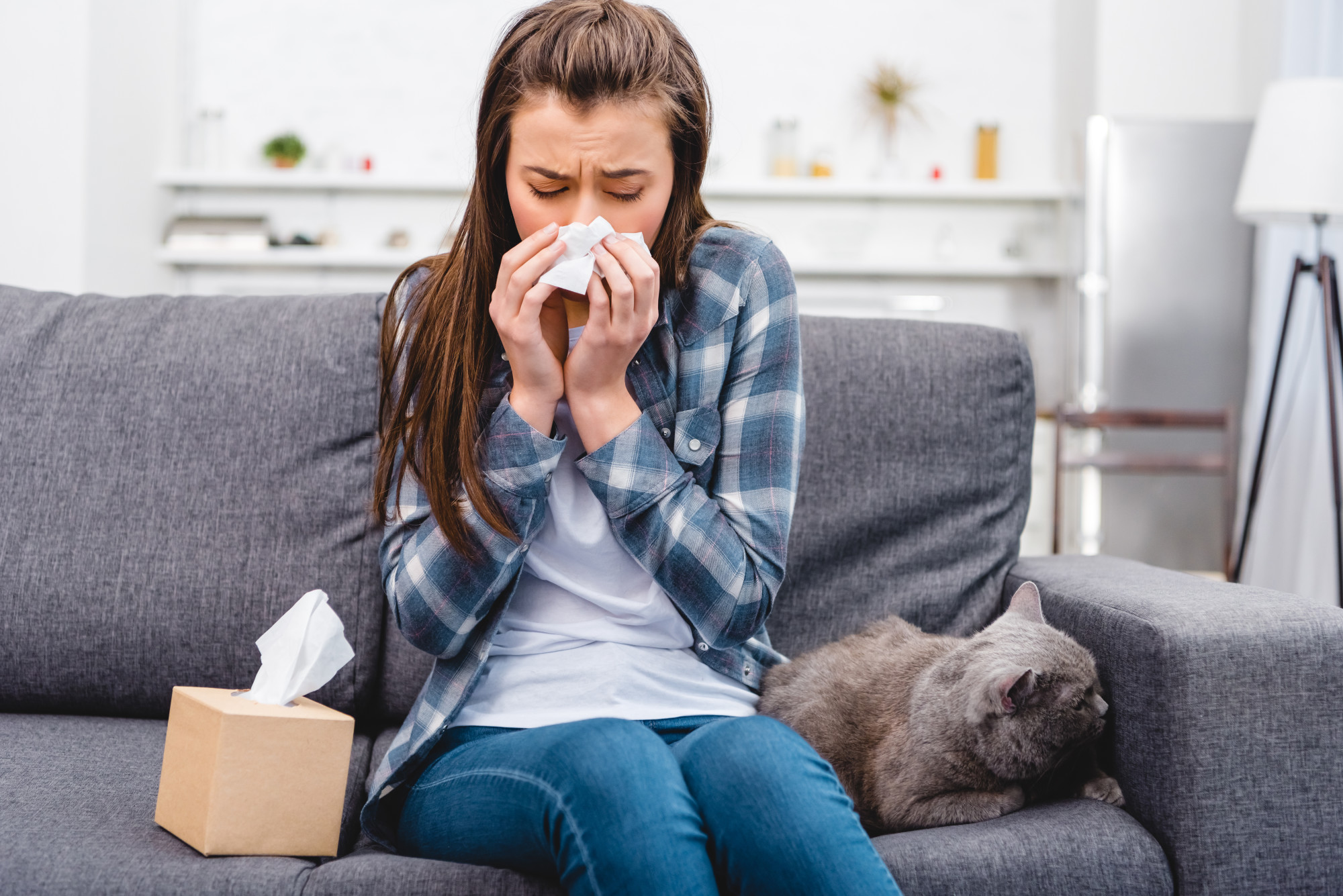
People may experience a runny nose, itchy eyes and throat, and sneezing. Others may even have symptoms similar to asthma, like wheezing and difficulty breathing. 

How to Manage Dust Allergies

While taking over-the-counter medication can help alleviate these symptoms, it is important to get to the root of the problem. If you really want to try to eradicate your dust allergies, you need to get rid of the dust mites and their food source. The best way to do this is to establish a regular deep cleaning routine. 

Top 5 Signs Your Home Needs a Deep Cleaning

If you’re not sure if your home has been exacerbating your allergies, it may be time to learn the signs. See if you recognize any of these top 5 indications that your home needs a deep cleaning. 

1) You Get Sick Often

When there’s too much dust inside the home, your immune system can suffer. If it’s constantly stressed from dust allergies, it leaves you vulnerable to ailments like colds and other conditions. So if you’ve noticed that you are getting sick more often, it could be time to deep clean your home. 

2) Bad Odors

Does your home have a weird odor? This could be due to all kinds of things, like a build-up of pet hair, dirt, or other substances on furniture and the floors. If that is the case, it could be time to freshen up your living space. 

3) An Increase of Dust on Surfaces

Sure, every home gets dusty. But if you’ve noticed that lately there’s an increase of dust inside the house, it could be because of excess moisture. In addition to cleaning, you may need to air out the house and decrease the humidity inside. 

4) Dirty Walls

Yes, you read that right: walls get dirty, too! If your walls are looking dingy, they could need a good wipe down with a wet cloth. Over a long period of time, they accumulate dust and dirt just like any other surface. 

5) Carpet and Floor Stains

Even if you vacuum your carpets and sweep your floors regularly, it may not be enough. You could still see stains on both that need a bit more attention than your usual cleaning. Invest in a carpet cleaning session to get your carpets ultra-clean, fluffy, and dust-free. 

How to Deep Clean Your Home

If you were wondering how to deep clean your home, here are the basics. The first step is to declutter even before you start cleaning because dust can accumulate on objects. Then start from the top and clean the ceilings, walls, and baseboards.

After that, move on to the windows and give them a good dusting and polishing. Don’t forget about window treatments like blinds and curtains, too! Then you should launder rugs while you are deep cleaning the floors and carpets.  

Finally, you can tackle surfaces like countertops, appliances, and furniture. Vacuum or steam-clean furniture like couches, armchairs, and pet beds to get rid of mites. Then you can finish off your list by scrubbing the bathroom and kitchen areas. 

Find the Right Supplies

In order to reap the benefits of deep cleaning, you need to have the right supplies. You can get a duster with a telescoping handle for hard-to-reach places and a good microfiber mop. You might even want to invest in a mini-steam cleaner so that you don’t have to rent one each time that you do a deep cleaning. 

Get Professional Help

If the idea of doing this kind of regular cleaning seems impossible, you can always get professional help. Hire a deep house cleaning service and let the pros take care of your home. They will come prepared with professional tools and supplies to ensure that your home is cleaned properly. 

Ready To Have a Clean House?

Now that you’ve learned the top signs that your home needs a deep cleaning, you can take action. By getting rid of dust through regular cleanings, you can alleviate your dust allergies and breathe easier. And if you don’t have the time or energy to do a regular deep cleaning yourself, you can hire a cleaning service to ensure that you have a clean home all the time. 

Are you interested in learning more useful health and home tips? Be sure to check out the rest of this site for other great posts! 

Monitoring Systems and More: What You Need to Monitor Your Parents Remotely

Did you know falls are the most common causes of serious death and injury among seniors? There is a fall every 11 seconds. Without a watchful eye, older adults are vulnerable. 

We might not be able to stay with our loved ones 24/7, but with monitoring systems, we can come close to it. We all remember our moms and dads being there to help and raise us, and it’s time to return the favor as they age. 

Keep reading to find the perfect monitoring system you can use to prevent accidents or come ASAP when they occur. 

Advantages of Monitoring Systems

There are a variety of reasons you may need to get monitoring systems to watch elderly parents remotely. Monitoring systems are the most useful for providing peace of mind. 

You are able to check on your elderly parents throughout the day. This may be the most important for older adults who have a professional caregiver in the home

Monitoring systems will verify that elderly parents are living the comfortable life they should be having or receiving. You can also respond to adverse situations more promptly should they come.

You will be able to call for emergency assistance or rush there yourself. This can make the difference between minor and major incidents, including death. 

Factors to Consider When Getting a Monitoring System 

You can find the perfect monitoring system for elderly in the home once you know what to look for. It’s worth the money to get a system that allows you to set up several rooms in the house. 

Sensors for things such as smoke, motion, door, and temperature are also something you need aside from the typical camera. Sensors are going to help you out the most when you want to have true monitoring. 

These sensors will alarm anytime there is unusual activity or something falls outside the range you set (like temperature). You want to be certain you can watch your elderly parents from a distance and know everything that’s occurring. ]

Before you get a monitoring system, check to see the range and sensitivity level of the devices. You need to make sure you know how the charging system works too. This way, you will never have to deal with losing connectivity. 

Monitoring systems often come with monthly fees or a contract. It’s a good idea to check the prices to ensure they fall within a range you can afford and are willing to pay to provide the best security. 

Purchase an All-in-One Monitoring System

Monitoring systems are perfect for people who want to watch their loved ones while they are far away. Sometimes, older adults prefer to stay in their homes to keep their independence. You can respect that and still have the ability to monitor your parents remotely. 

You can be at ease knowing whether or not they’re ok making an in-home monitoring system worth the price. 

Did you find this article helpful? We have more informative content you can read on our website check us out on social media. 

What Are the Warning Signs of Sleep Apnea?

Did you know that millions of people in the United States never receive a proper diagnosis for their sleep apnea? In order to receive such a diagnosis, patients are required to take part in an overnight sleep study.

And the costs for just one night aren’t cheap.

For these reasons, Americans struggle to know whether they’re just a loud snorer or if they actually have an underlying sleep disorder, like obstructive sleep apnea.

That’s why we’re here to inform you about the signs of sleep apnea. Our guide will answer your most Googled question, “What is sleep apnea?”, and dive into the symptoms you need to know about. Continue reading!

What Is Sleep Apnea?

Sleep apnea is a sleeping disorder that causes interruptions in your breathing while you’re in a deep slumber.

Even if you snore loudly or feel overwhelmingly tiresome after a seemingly good night’s sleep, you should consider learning more about sleep apnea. The disorder comes in three forms:

  • Obstructive sleep apnea
  • Central sleep apnea
  • Complex sleep apnea syndrome

Keep in mind that obstructive and central sleep apnea share many symptoms, which can cause difficulty if you’re seeking a formal diagnosis. Luckily, new treatments for sleep apnea have recently been discovered!

Signs of Sleep Apnea

Between the three kinds of sleeping disorders, it’s difficult to narrow down sleep apnea symptoms. 

The most common of the three is obstructive sleep apnea, so if you feel like you’re suffering, continue reading for the warning signs of sleep apnea. 

1. Restless Sleeping

Do you often find yourself thrashing in your sheets and waking up in a pile of your bedding?

Unfortunately, this is a super common sign of sleep apnea – however, there are additional disorders that could be contributing to your sleep interference. These include:

As you can see, these disorders can cause restless sleeping. But if you’re experiencing a night full of constant motion, consider talking to your doctor about sleep apnea.

2. Loud Snoring

Now, it’s quite common for people to snore very loudly. However, loud snoring when it comes to sleep apnea is a completely different story.

This specific disorder involves the throat muscles, which support your tonsils, uvula, throat walls, esophagus, and tongue. Simply stated, when your body is ready to sleep, these muscles relax and cause your airways to narrow.

In terms of obstructive sleep apnea, the airways could narrow too much, and your brain receives a signal saying your body can’t breathe. Then, you wake up from this signal so your airway reopens to its normal state.

If you or a sleeping partner notices a sudden, rapid change in your breathing patterns while you’re snoring, this could be a result of obstructive sleep apnea.

3. Excessive Daytime Sleepiness

If you are living in the dark about whether or not you have sleep apnea, excessive daytime sleepiness (EDS) is a medical condition caused by sleep apnea.

EDS happens as a result of your nightly awakenings. Since you are waking up so frequently during times meant for sleeping, your brain’s “awake” signals have the potential to change during the day. 

While EDS is caused by sleep apnea, all kinds of people experience it. Whether they have a chronic loss of sleep or are taking medications, EDS has the chance to harm anyone.

Consult Your Doctor Today

If you are experiencing these telltale signs of sleep apnea, you should speak with your doctor. Living with an unknown disorder is scary. Seek the help you deserve!

If you’re snoring louder than usual, experiencing excessive daytime sleepiness, and waking up in a mess of your bedding, it’s time to reach out for help. Remember that you’re not alone. 

Did you find this article helpful? Read more content like this on our website.

7 Factors to Consider When Picking Couples Therapists

You and your spouse have been fighting more often than not lately. You’re not sure if your problems are due to work and other daily stressors or if you were never compatible in the first place. Nine times out of ten, the answer is the former. 

Don’t let the staggering divorce rate fool you. You can settle most marriage problems by picking couples therapists that have your best interests at heart. 

This is a little easier said than done. Not all therapists have the right training for the job. There are horror stories of people who booked therapists who gained up on them during the session. 

That’s the last thing you need. Check out this guide to find a counselor who can bring you and your spouse together rather than continue to tear you apart. 

1. Find Someone Who Has Specialized Training 

Not all options for therapists are built the same. You need to find someone that’s gone through the correct licensing in your state to take care of couples. You wouldn’t take your car to a veterinarian after all. 

The same applies to your relationship. Someone who’s only dabbled in couples therapy won’t be able to help you the same way as someone that’s had intensive on-the-job training. 

Once you have a list of marriage counselors in your area, it’s time to narrow down your search even further. You can find couples therapists trained in specific areas. For example, some focus completely on sexuality and gender identity. 

2. Ask Questions  

Before you hire someone to help you work on something as important as your marriage, you need to do an interview. Don’t be afraid to ask the big questions. 

A therapist’s attitude toward divorce is extremely telling, and it’s good to go with someone who has a long line of experience dealing with couples. 

How Long Have You Been Helping Couples? 

If you’re working with a tight budget, you can go see an intern with little experience. They don’t have the same level of expertise as most. The trade-off is that you don’t have to pay as much for their services. 

If you can afford to pay a little more than that, you need to find a counselor that has at least two to three years of experience under their belt. Keep in mind that older isn’t always better. 

Just because someone has thirty years of experience doesn’t make them better than a younger therapist who only has 5. If you’re faced with choosing between the two, ask them what their stance on divorce is. 

What Is Your Stance on Divorce?

Divorce is expensive and it hurts the entire family. It should be an absolute last resort when you realize that things are never going to work between you and your spouse. 

Your counselor should have the same thoughts on the subject. If they seem to be pushing you toward ending it with your partner, they might not be the right choice for you.

How Much of Your Clientele Are Couples? 

Working with couples should come naturally to your therapist because they do it all the time. The more couples that a counselor sees, the more likely it is that they’ve seen cases like yours. 

3. How Much Should You Pay? 

Going back to money for a moment, how much should you pay for services. Again, if you’re strapped for cash seeing an intern might not be a bad idea, but for the most part, you get what you pay for. 

Going with a highly skilled therapist that meets all your criteria isn’t going to be cheap. That doesn’t mean you shouldn’t shop around. Comparing therapist fees will help you get the best deal. 

What we’re saying is your budget shouldn’t be at the forefront of your mind. Don’t go with a particular counselor because they have a lower rate than all the others in your area.  

4. Do Your Research 

If you have any family and friends who’ve seen a counselor for marriage problems, ask them who they saw. This will give you a small list of therapists to do further research on. 

Type their names into Google and see what people have to say about them. If the counselor has a website, head there to read further references and reviews. 

5. Don’t Choose a Counselor Out of Convenience 

The counselor you see is the person who may save your entire relationship. It’s an important decision to make that you shouldn’t base on convenience. 

Don’t go with a therapist because they’re close to your house. You may have to go a little out of your way to book a big couple’s retreat, and that’s okay. If that’s the way you want to go, see more here

6. Create Goals 

Before or during your first session, take a moment to make up a list of goals with your therapist and partner. If after your first two sessions you’re not on track to meet those goals, bring it up to your counselor. 

They should help you come up with a list of ways to get back on track. If they ignore your concerns, that doesn’t bode well. 

7. Go With Your Gut 

The last bit of advice we have for you is to follow your gut. If you don’t feel like a therapist can help you after speaking with them on the phone, you don’t have to book an appointment. 

Picking Couples Therapists to Bridge the Gap Between You and Your Spouse

Are things not going well between you and your spouse? It might be time for you to start picking couples therapists in your area. The right counselor will sit down with you and help you sort out your problems without turning to divorce. 

It may cost quite a bit of money to find a counselor that meets all your criteria, but your relationship is more than worth the investment. 

If you want to try to find the best deal on a therapist, we have you covered. Check out our blog to learn how to save money! 

9 Important Texas Healthcare Facts All Texans Should Know

There are currently more than 28 million people living in the state of Texas. No matter where you live within the state, having access to healthcare ensures that you can continue to live a happy and healthy life. 

So how does Texas healthcare work? The more you know about the system, the easier it will be to use it when you need to.

Want to learn more about the Texas healthcare system? Then you’re in the right place! Read on to find out nine important facts about healthcare in Texas.

1. Texas Healthcare Looks After Millions of People

The Texas healthcare system currently serves 16 counties across the state. This allows it to have a wide reach, which is important when you have so many healthcare needs. 

The system comprises a combination of local surgeries, outpatient facilities, hospitals, and emergency rooms. There is also a range of specialist health centers includes: 

  • Behavioral facilities 
  • Fitness centers
  • Rehabilitation centers
  • Imaging centers

Your doctor can refer you to these centers for treatment. However, you can also contact private centers, such as rehab centers, directly for support.

2. The Healthcare System in Texas is a Huge Employer

As you can probably imagine, taking care of so many people requires many staff and resources.

Because of this, the Texas healthcare system is one of Texas’s largest employers. There are currently more than 1.3 million people working in the Texan healthcare system. Their jobs include:

  • Physicians and physicians assistants 
  • Nurse practitioners 
  • Pharmacists
  • Physiotherapists
  • Psychologists
  • Surgeons
  • Dieticians 
  • Paramedics
  • Radiologists
  • Hospital porters

Of course, within each of these roles, there are specialist areas. This means that whatever you need in Texas, there is a medical professional available to help you.

3. The Texas Health Care Information Collection Monitors How Well the System Works

Back in 1995, Texas Legislature establishes the Texas Health Care Information Collection or THCIC. This is a state body that is responsible for collecting reports of health care activity across the state.

THCIC can monitor the quality of Texan healthcare across a range of different departments by collecting this data. They even focus on specific departments within the hospitals and other facilities. This ensures that each facility is delivering quality care to its patients. 

4. There are Four Majors Types of Healthcare Plans in Texas

As with every other state in America, it is important to have healthcare insurance in place for you and your loved ones. This helps you to cover the cost of healthcare treatments so you can focus on recovery over finances.

There are four major types of healthcare plans available in Texas. These are: 

The right plan for you will depend on your age, medical history, and healthcare needs. Remember, it is important to get comprehensive healthcare coverage to protect your health now and in the future.

5. Nursing Homes Take Take of the Elderly Population

There are more than 3,000 nursing and assisted living facilities across Texas. These take care of a large portion of the population aged 65 and over. 

However, many issues have been raised about the quality of care that these care homes provide. Reports show that they receive at least twice the national average complaint rate. 

So if you are thinking about finding a home for a loved one, make sure you do your research.

6. They Are Targetting Surprise Medical Billing

Even if you have insurance, there is a chance that you can receive a large and unexpected bill for your treatment.

This often happens when an insurer and a hospital cannot agree on a patient’s care. When this happens, it can cause serious financial strain.

In 2019, Texas Legislature created more protection against surprise medical billing for consumers. This means that the majority of people with private insurance are now immune to receiving surprise medical bills.

7. Going to Medical School is More Affordable in Texas

To become a medical professional, you have to undergo serious training, and this can take years. However, this also means that tuition bills really stack up over time. 

However, due to an old Texan law, medical tuition in Texas is now capped at around $6,550 per year. This means that training in Texas is now incredibly popular. This also means that the state has the opportunity to get its hands on some of the best and most innovative new doctors in the country.

8. Access to Healthcare is Easier in the Cities

Where you live in Texas can have a big impact on your access to healthcare. Although there are 565 acute care hospitals in Texas, the majority of these are in cities.

On top of this, people living in rural areas are more likely to be living without healthcare insurance. This makes paying for medical care, even if you have access to it, a lot more challenging. At the moment, 36% of adults living in low-income rural households do not have medical insurance.

9. The State Could Pay More Attention to Mental Health Conditions

Unfortunately, the Texas healthcare system has several flaws. Its lack of funding and training for mental health specialists is one of them. 

For example, more mental health and substance abuse specialists are needed throughout the state. 

On the plus side, nationwide attention on these areas is putting more pressure on Texan facilities to offer better mental health care. There are now 315 rehab centers offering services with payment support.

Make the Most of Healthcare in Texas Today

As you can see, when it comes to Texas healthcare, a lot is going on. Keeping these Texas healthcare facts in mind will ensure that you can make the most of what the Texas healthcare system can do for you. 

To keep up to date on more great life and health advice, keep scrolling.

Travel Safety Tip Guide: How To Keep Your Belongings Safe

Taking proper safety precautions should be at the top of your list when planning a vacation. This is something that many travelers neglect. These same travelers end up falling victim to pickpockets or worse.

You can’t trust that you’ll be safe on vacation if you don’t take the time to learn how to keep yourself safe on vacation. However, you’re on the right track since you’re here reading this travel safety article. 

This travel safety tip guide will help you in knowing how to protect your belongings, how to avoid getting mugged, and more. Continue reading to learn about our top tips for vacation safety so you can confidently enjoy your travels. 

Be Aware of Your Surroundings

If you’re looking for how to keep yourself safe on vacation, our top travel safety tip is to stay aware of your surroundings. Most theft occurs when the victim is distracted or not paying attention.

For example, pickpockets are quick and skilled. If you’re not paying attention, you will have fallen victim long before you even realize it. 

Another common method among thieves is to jump you at the ATM. If you are using an ATM, take a moment to assess your surroundings.

Make sure no one is standing too close to you and check for any signs that the ATM has been tampered with. If you notice any of the above issues, move on to a different ATM or try again later. This is a good method to use if you’re looking at how to avoid getting mugged.

Keep Your Belongings Close

Know how to protect your belongings when you travel by keeping them close. It’s easy for thieves to cut a purse strap or pickpocket in busy areas or on public transportation.

This is why we recommend keeping your purses and bags facing front. If you have a backpack, wear it on your chest instead of your back. Or put it on your lap instead of underneath your seat. 

If you have a good visual of your belongings or they’re in your line of sight, you are less likely to become a target for theft. Even in less busy areas, it’s good to keep things where you can see them. 

Leave Your Valuables Somewhere Safe

Avoid carrying your valuables with you. Most hotels and hostels offer some form of safe to use or rent. It gives you extra peace of mind in case something does go wrong. 

If you only carry lower value items with you or necessary items, there’s only so much you can lose in the unfortunate event that you do get pickpocketed. 

Keep Your Cash Hidden

Keeping your cash hidden is another important travel safety tip because it keeps you from becoming an obvious target. Many travelers make the mistake of carrying large amounts of cash with them. 

They also make the mistake of pulling out large wads of cash or an overstuffed wallet when buying something. Anyone watching can see you have cash and someone could easily snatch it out of your hands. 

To avoid this, carry only small amounts of cash on you. If you absolutely need to carry cash, keep most of it hidden. Some travelers recommend using a cash belt or a fanny pack hidden under their clothes.

You can transfer money out of your belt or travel pouch as needed when you’re in private (like in the restroom or in your hotel room). That way no one knows how much cash you have or where you keep it. 

Avoid Carrying Expensive Accessories

If you want to know how to keep yourself safe on vacation, consider leaving your expensive accessories at home. While you can leave items in the hotel or hostel safe, you should ask yourself if you really need to bring certain items at all.

For example, many people use expensive wireless headphones or earbuds to listen to music or talk on the phone. However, these can make you a target, especially if you’re traveling in certain regions.

In these cases, we recommend using cheap headphones. Better yet, avoid using them altogether so you’re staying alert. It might not be as much fun as listening to your favorite music, but it’ll keep you from losing your hard-earned gear. 

You can also check out this blog on the AquaVault FlexSafe portable travel safe. It’s a great option for storing your valuables while you travel. 

Keep Copies of Your Documents

Using these travel safety tips will help you stay safe during your travels. Even so, there are certain precautions you should take such as keeping copies of all of your documents. 

If you’re traveling to a foreign country, keep a copy of your passport, any tickets, insurance, and travel itinerary. You should keep paper copies of these documents somewhere secure (though separate from the originals). You should also leave copies (digital or physical) with someone you trust.

This is a reliable method in case your passport or wallet gets stolen. It gives authorities some way to confirm your identity. 

Invest in Travel Insurance

With the COVID-19 pandemic, many travel destinations are requiring travel insurance. However, even if they don’t require it, it’s not something you should go without. 

Travel insurance is more than just helping with medical expenses in case you’re injured or become ill (both of which are huge bonuses, too). It also can help you access accommodation if you miss your flight or if you fall victim to theft. We suggest never traveling without it for vacation safety.

Put This Travel Safety Tip Guide to Use

Staying safe while on vacation is all about staying alert and making smart choices, which you can do by following this travel safety tip guide. Don’t carry expensive belongings if you don’t need them. Also, be aware of who is around you and what they can see.

Avoid showing off how much cash you have with you. Keeping your belongings where you can easily see and protect them will help with this. By following these vacation safety tips, you’ll be able to enjoy your vacation with the peace of mind that you’re prepared. 

For more thrifty tips and tricks to use on your next vacation, head to our Travel and Vacation section.