Category: Baby

Why Every Caring and Loving Mom Should Keep a Baby Journal

The U.S. won’t win any awards for work-life balance any time soon. Even the most well-meaning parents find themselves daydreaming about work while spending ‘quality’ time with their kids.

Combat your workaholic nature by spending more time active with family projects. Check out these reasons why every new mother should start a baby journal for their child. 

You Don’t Have Time

Working moms will never find enough time to be the perfect mom and the perfect employee. There are moments you’ll miss when trying to find the right balance between work and parenting.

Keep a baby journal with you in the office to mark important occasions you can’t experience first hand. Spending time updating the baby journal can’t replace actual time with your child, but it does allow you to stay involved with your child’s memories while you’re away from home.

Keeping a baby journal doesn’t have to be a solo sport. 

Use the daily reports from your child’s caregivers, texts or email messages as references when creating a journal. If you have a nanny, ask them to take pictures to mark occasions as they happen. 

You Can’t Remember Anything

The way pregnancy affects memory can be cruel. In an effort to empower women, myths arose that challenged the idea that your memory is any different while pregnant and after.

This is an unfortunate myth because it can leave you thinking your mind still has the same infinite powers after childbirth as it did before childbirth. Forgetting the date your child got his first tooth isn’t a sign of a lower IQ, but that the brain is overloaded with new stimuli.

Studies show that sleep loss, breastfeeding, and new responsibilities can all scramble the brain making it impossible for some moms to keep up with every detail of parenting. A baby journal keeps up with the important memories for you.

In a few years, when you are pitching green beans as a delicious dinner option, you can reveal photos of your child’s first mashed veggie encounter to support your claim.

You Want a Legacy

Baby journals are the bible of your child’s childhood.  Don’t rely on memory to keep these sacred records alive. 

You are bound to have sections of the journal that don’t seem to fit your lifestyle or situation. Feel free to either skip these pages or opt for custom booklet printing after designing your own baby journal. 

Printing a custom journal is great for starting your family legacy. You can create sections specific to your family’s culture and traditions.

This turns your baby journal into a keepsake that becomes a vital part of history. It can be handed down over generations to preserve family stories. 

You Need Stress Relief

Meditation isn’t for everyone. The idea of sitting still to release stress might only bring up the urge to check your email or replay a conversation in your head you had with a client at work.

Give your brain a break from the stresses of work-life by putting together your baby journal each week. Scrapbooking is about layering moments in your life to tell a complete story.

Use your creativity to style each page according to the theme. Clip art, stickers or markers push the artistic boundaries for your baby journal.

Objects like hospital wristbands are great to include in your baby journal but too many bulky items or decorations will make it difficult for the book to close when you’re done.

Books that won’t close become a storage issue and are more likely to have items fall out. If you have a family heirloom you want to be associated with your child’s birth, take a photo of the heirloom and add it to the book instead of the original, irreplaceable item. 

You Want a Healthy Baby

The doctor’s office is one place where answers about your baby need to be accurate. Your doctor can’t track your baby’s progress without your help.

Make sure there is a section in your baby journal for notes on your baby’s daily activities. In the event your baby breaks out in a rash or starts losing sleep, knowing the baby’s recent foods or activity changes will help you find the problem faster. 

You also won’t feel foolish making up answers to questions about bowel movement frequency when you actually have no idea the last time you changed a poopy diaper. 

The doctor can also help ease any of your developmental worries if you have a baby journal on hand. Developmental milestones will differ from child to child but there’s a general range your child should fall within.

The baby journal shows the doctor important details that can help them determine whether or not your child is on track. Tracking developmental milestones can also give you hope for the future.

It might be time to start the official countdown to your child eating solid food or sleeping through the night. With a baby journal, you unleash the doctor’s superpower of making predictions about the baby’s behavior in the next few months.  

You Have the World’s Cutest Baby

Proud moms sometimes have no other reason to keep a baby journal except the knowledge they have the world’s cutest baby. Show off your baby when friends and relatives come to visit. 

Bring along your baby journal to holiday dinners to keep your aging grandparents in the loop on new teeth, favorite foods, and toys. Baby journals help extended family members get to know your child while sharing the intense cuteness you get to experience every day. 

Time to Start a Baby Journal

Baby journaling isn’t a part-time sport. Keep a baby journal that offers lots of flexibility in the way you store information and memories. 

These details help keep your child healthy and give your family memories to cherish for decades to come. For more information and lifestyle tips, check our blog for updates. 
The Most Fashionable Clothes For Your Baby Girl

Your little girl is full of life, but her wardrobe not so much. You try to find the most fashionable baby girl clothes for her, but if you’re honest with yourself – it can be overwhelming. 

From comparing products and prices to keeping up with the latest fashion trends, you might be left wondering, “where do I start?“.

Below, you’ll find advice on how to shop for baby clothes without breaking the bank. Plus, you’ll find some tips on the latest fashion trends for little girls. 

Start with the Basics 

First things first when shopping for baby clothes: buy what you need. 

As a parent, you know exactly what events are coming up on your calendar. Maybe you need a birthday party dress, or perhaps you need some play clothes.

By shopping for what you need, you will not only save money, but you can invest in cute girl clothes she will wear all the time. 

Utilize the Same Baby Girl Clothes 

Kids are constantly growing out of their clothes. One of the best ways you can make the most of your baby girl’s clothes is by buying outfits she can grow into.

Two trendy clothing items that are comfortable and functional are leggings and girls cardigans

The best part about leggings is that they are stretchy and can be used in many different ways. Likewise, cardigans can be bought in a few sizes up while still looking normal and leaving room for them to grow into.  

Leggings and cardigans are also ideal because you can mix and match them any way you like. You can throw leggings under a dress or wear just as pants. In the same way, cardigans can be thrown over practically anything and can be used to dress up or down. 

Either way, you can’t go wrong!

Keeping up with Fashion Trends

It can be tough to keep up with fashionable clothes – especially when you’re looking for comfort and convenience too.

Aside from making sure there are no sharp zippers, itchy fabrics, or tags – you can have fun when shopping for your baby girl.

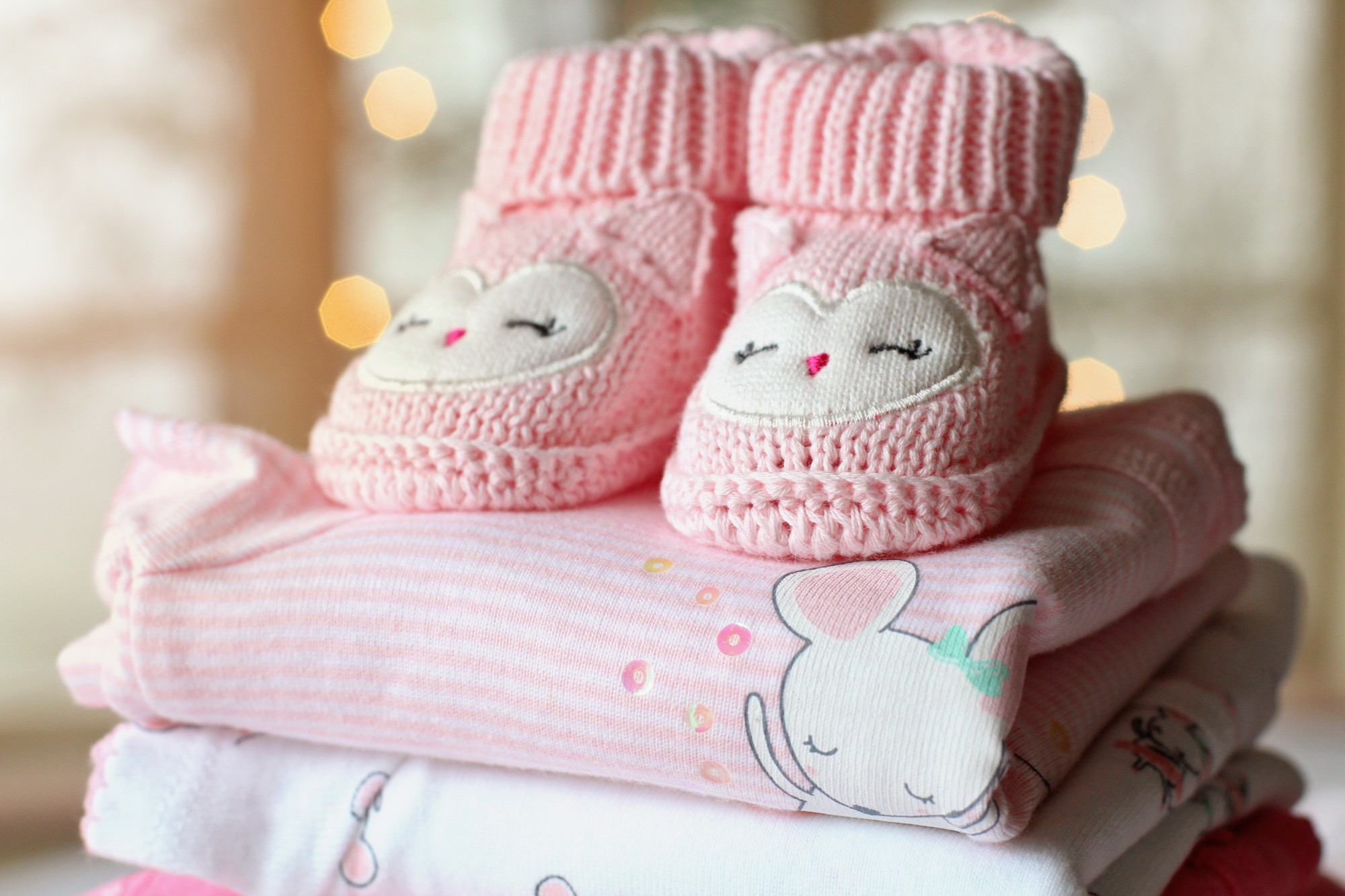
You can never go wrong by dressing your baby in wild patterns with bright pops of color. Throw in a bow, a cardigan, or some booties, and you’re the trendiest mom on the block. 

Another quick and easy way you can keep up with the latest trends is by searching “baby girl fashion” on Pinterest

Go Forth and Shop

Now that you know everything you need to about shopping for baby girl clothes – you can go out and shop till you drop. 

Just remember to stick to your budget by only buying what you need, invest in comfortable and functional clothes like leggings and cardigans, and of course, don’t forget to keep it trendy with bright colors and patterns. 

If you enjoyed this article, check out our other blogs posts on frugal living, fashion, and family life.


6 Ways to Find Out the Pregnancy Gender at 8 Weeks

Congratulations! You’re about to have a baby!

Although it can seem extremely scary, you’re in good company. In fact, 130 million babies are born each year, meaning you’ve got at least 130 million other parents anxiously awaiting their new little bundle.

There are so many things to think about when you’re pregnant that you might feel overwhelmed. Some parents don’t feel they can begin really shopping and decorating until they find out during the pregnancy the gender of their baby.

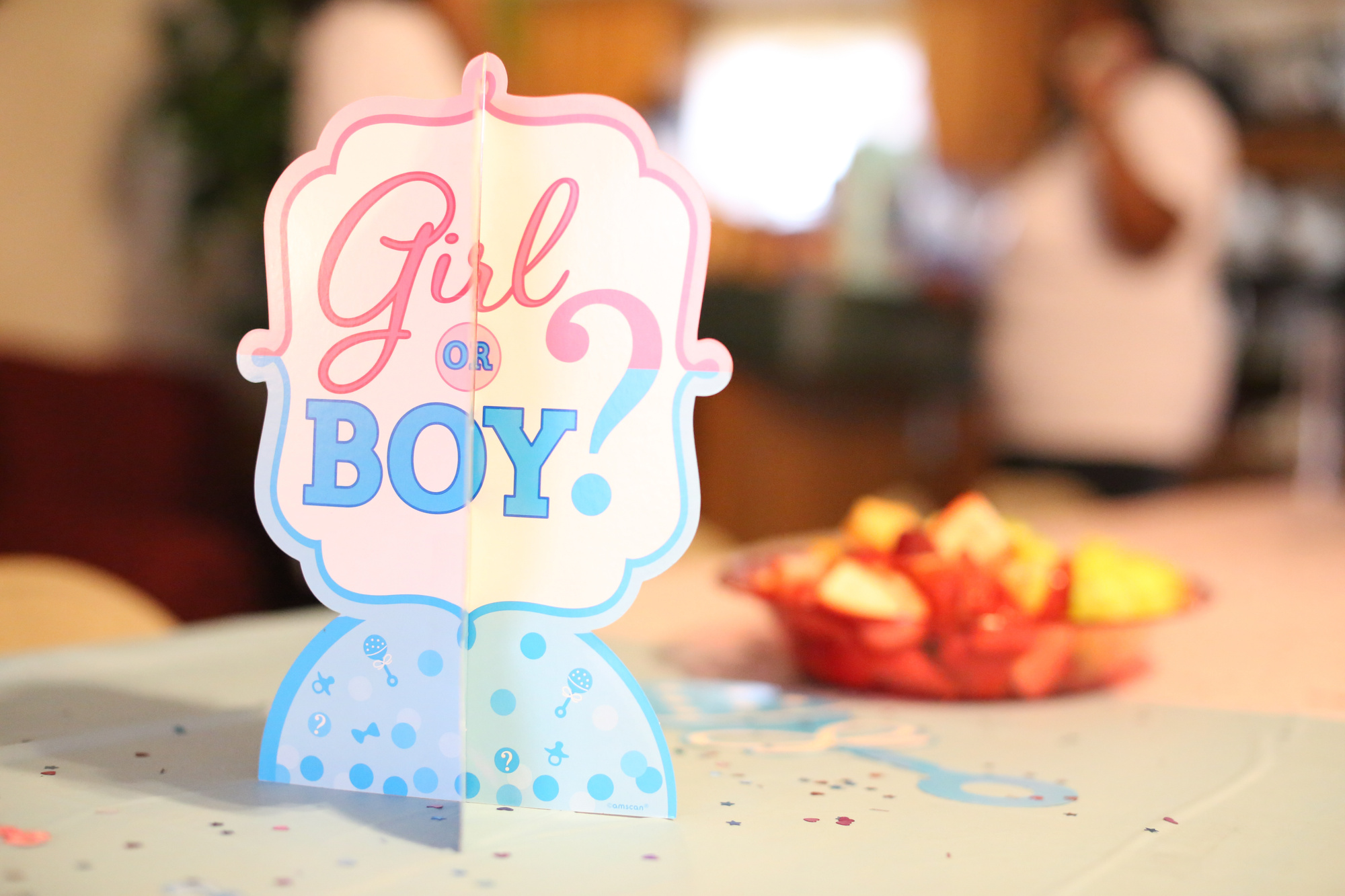
While some parents-to-be opt not to find out their new baby’s gender, others can’t wait to know. But most have to wait until 16 to 20 weeks in the pregnancy so that the ultrasound tech can see the fetus’ genitals.

But what happens if you want to know earlier than that? Are there any reliable ways to find out the baby’s gender as early as 8 weeks in?

In this blog post, we’ll walk you through how to find out your child’s gender as soon as humanly possible.

When During the Pregnancy the Gender Develops

Before we go over some of the ways you can tell a baby’s gender before 16 to 20-week scan, let’s discuss when the baby actually develops a gender.

You may or may not be aware that until several weeks into the pregnancy, all babies look the same no matter their gender. However, the child’s gender is set in stone from the moment of conception. The mother’s egg carries an X chromosome. The father’s sperm carries either an X or Y chromosome, which means the baby’s sex is the man’s “responsibility.”

If the egg meets a sperm carrying an X chromosome, the baby is a female. If the egg meets a sperm with a Y chromosome, the baby is male. But until the 7th week of pregnancy, your baby’s genitals do not exist, and instead, there is what is called a “genital ridge.” From week 7 to week 12, the baby begins to develop the genitals of their assigned sex.

Boys, for instance, do not develop a penis until week 9.

So, now that we know the inner workings of when the gender begins to “show,” are there ways to tell the baby’s gender before the scan? Yes.

We’ll move on to discuss some accurate ways and a few folklore methods.

Scientifically Accurate Ways to Determine the Baby’s Gender at 8 Weeks

During your pregnancy, you’ll probably hear a lot of wives’ tales and folklore about whether you’re carrying a boy or a girl. These likely stem from the fact that most parents weren’t able to find out the gender of their baby, unless the child was being tested for genetic abnormalities, until the last few decades.

But, thankfully, times have changed, and there are ways you can have your future baby’s gender accurately predicted at just 8 weeks.

Here are some of them:

1. Blood Test

An early gender blood test isn’t routine, but parents can turn to private companies to learn to the sex of their babies very early on in the pregnancy.

This test looks at the fetal cellular material that gets released in the mother’s bloodstream and is an accurate way to determine your child’s sex at this stage.

2. Amniocentesis

Amniocentesis is a way for doctors to determine if your child has fetal infections or any type of chromosomal abnormality. It can also predict the gender of the baby much earlier than scans, as it can help determine if the child has an abnormality related to their gender.

This procedure is done by inserting a needle into the sac through the mother’s abdomen and taking a sample of amniotic fluid for analysis.

While gender can be determined this way, most doctors would not agree to perform one for gender detection alone. For those who have to have this test to ensure the health of their baby, it’s simply a perk.

3. Chorionic Villus Sampling

Chorionic villus sampling, or CVS, is another way to accurately determine your child’s gender. But, like amniocentesis, it is only done if the doctor believes your child is at risk of a genetic or chromosomal abnormality.

This procedure involves taking a sample of the placenta tissue. Doctors can perform it through the vagina, or through the abdomen, the way amniocentesis is performed.

This test can take place as early as 8 weeks into the pregnancy.

Non-Scientific Ways to Guess Your Child’s Gender

While the three options listed above are the only way to tell if you’re having a boy or girl prior to your 16 to 20-week scan, wives’ tales and folklore abound to help parents-to-be guess their child’s gender. These are by no means scientifically accurate, but some people find them fun.

1. Your Stress Level Before Pregnancy

While science has seen a higher rate of stress correlated with conceiving a girl, it isn’t a fool-proof method. But some folks equate being stressed at the time of conception with having a girl.

2. Having a Craving for Salt

An old wives’ tale states that if you crave salt, you’re more likely to have a boy. However, most pregnant women have cravings, but it mostly relates to the baby’s nutrition requirements.

3. How You’re Carrying

It’s a popular theory that if you’re carrying your baby high, you’ll give birth to a girl, whereas if you carrying your baby low, you’ll give birth to a boy. In reality, the shape of your stomach isn’t really determined by the sex, but many hold fast to this belief.

Determining Your Child’s Sex

Most parents don’t mind what sex they will be having, as long as the baby is healthy. But with modern technology, you determine earlier in the pregnancy the gender of your child.

Check out the rest of our website for more content for parents, and parents-to-be, looking to save a little bit of cash!

Preparing for Your Baby’s First Dental Visit: Everything You Should Know

Are you interested in scheduling your baby’s first dental visit?

Scheduling a dentist appointment for your baby can seem daunting, but it’s necessary. Your child’s first dental visit will be important to their health because it will outline any problems if they might have.

When you schedule an appointment for your baby, you’ll need to know of several things to help prepare both you and your child. The dentist will be able to provide you with general advice, but there are a few things you can do to ensure the appointment goes smoothly.

Read on to learn more about everything you can do to prepare for the dental visit.

Prepare Your Baby

When preparing for your baby’s first dentist appointment, you’ll want to do several things to ensure that the process goes smoothly. Preparing your baby for the appointment is best done by scheduling an early appointment.

When the appointment is early, your baby will be wide awake and alert. This will prevent them from dozing off as they’re being examined. If your baby already has several teeth, be sure to clean them before going in.

Prepare the Dentist

When you visit an infant dentist, you’ll want to inform them of your baby’s health history. While your baby most likely hasn’t had many medical visits, any information will be helpful to the dentist.

If there’s a problem with your baby, knowing their medical history would help a dentist conclude what’s wrong. They’ll then be able to give you the appropriate advice.

What to Expect

Your child’s first dental visit will be longer than the future ones because your baby’s entire mouth will be looked at. The dentist will typically look at the jaw, gums, and any teeth to ensure that they’re growing properly.

X-rays aren’t common in a baby’s first dentist appointment because baby teeth regularly fall out. However, an x-ray might be done if your child has a facial deformity to see if there’s a problem with the bone structure.

Your Baby’s Dental Health

Pediatric dentistry is important for your baby’s health because it ensures that their teeth are properly developing. With improper hygiene, things like cavities and mouth diseases can arise.

Visiting a dentist for toddler dental health will put your child on the right path to having excellent dental hygiene. The dentist will recommend you several ways to brush your baby’s teeth, what kind of foods to avoid, and how to teach them to brush their teeth when they’re older.

Schedule Your Baby’s First Dental Visit Today

When do babies go to the dentist? It’s recommended that babies have their first dental visit the moment one of their teeth appear. If your baby already has a tooth, you need to take them to a dentist soon to make sure that they’re healthy.

After scheduling the appointment, start preparing your baby by cleaning whatever teeth they have. You’ll also want to gather any documents relating to their health history. 

Browse our blog if you’d like to read a variety of health articles that will help you and your baby.

Baby Wraps or Slings: How to Choose a Baby Carrier

Babywearing offers many benefits, including a calmer baby and increased bonding with you. It keeps your hands free so you can get more done while keeping your little one close.

Choosing between all of the baby wraps, slings, and carriers can feel overwhelming. They’re a big investment, and it’s difficult to know what to look for if you’ve never purchased one before.

Picking a baby carrier is a matter of personal preference, but there are certain things to consider. Keep these things in mind when choosing a carrier for your infant.

Basics of Baby Wraps and Slings

Baby wraps are large pieces of fabric that you wrap around your body. You can tie them in different ways depending on the style. They hold your baby close and often work well for different sizes of people.

A ring sling, such as a Rebozo, is a different type of wrap with two rings along the fabric that rest on your shoulder. The fabric piece goes through the rings to hold it at the correct size. Ring slings are often easier to wear and adjust since you don’t have to tie anything. 

Structured baby carriers have soft fabric components, but they feature straps, padding, and a seat area for the baby. They typically have shoulder straps and a waistband for support and can hold older and larger babies well.

Comfort for Mom and Baby

The type of carrier that’s most comfortable often comes down to personal preference. Structured carriers distribute your little one’s weight across both shoulders and provide support at the waist. Wraps offer versatile tying methods and are easy to adjust to get a perfect fit. 

Young babies often like the coziness of wraps and ring slings. They can snuggle in and rest close to your body. Some babies may prefer the higher seat with a little more mobility from structured wraps.

Test out different types of carriers with your baby to see what you both prefer. Check with local babywearing groups to see if they have meetings where you can try different types of carriers before you buy one. Another option is testing out carriers your friends own. 

Ease of Use

Baby wraps can take some time to learn how to tie. Ring slings offer an easy option that’s similar to a wrap without needing to master the tying methods.

Structured wraps often have clips that are easy to close, but it may be more difficult to adjust the length of the straps. Wraps and slings are easy to adjust by simply tying them at the appropriate length. That makes them easier to share with your spouse without have to adjust the straps every time you swap babywearing duties.

Cleaning and Care

Research the care and cleaning of baby carrier options. Your little one may spit up or have a diaper blowout while in the wrap. Babies can also get sweaty, especially being so close to your body.

A machine-washable carrier lets you wash away those messes easily. Check the tag to look for special care instructions that might make the cleaning process more difficult.

Carrier Style

Your baby’s comfort and safety is the most important aspect, but baby carriers can also double as a fun accessory. Look for slings and carriers in fun patterns to match your personality.

Bright colors also add a fun touch to your look. Or opt for a neutral-colored wrap that goes well with all of your outfits.

Choose Your Baby Carrier

Baby wraps offer a hands-free way to carry your baby and help you bond. Comparing the styles and features lets you pick a carrier that you and your baby love. Check out more Family Life articles for more parenting tips.

7 Tips to Handling Your Baby’s Nighttime Leaky Diapers

Did you know new parents will get less than 5 hours of sleep each night for the first year of their baby’s life?

According to a study, the average is 4 hours and 44 minutes. That’s nearly half the recommended 8-hours-a-night rule!

And as they get older, it doesn’t get much better. Whether it’s hunger, out of habit, or because they’ve had a nightmare, sleepless nights are common. On top of these issues, you could wake to find them in a puddle.

So, how can you prevent diaper leaks at night? Read on for the 411.

Preventing Diaper Leaks at Night—The 411

Just one diaper leaking at night can turn a peaceful night’s sleep into a chaotic mess. Not only do you have to clean up your little one, but depending on the scope of the problem you may have to change ALL the sheets and more.

But don’t panic. There are ways to prevent diapers from leaking at night. Here are 7 of our top tips.

1. Invest in the Best Diapers for Nighttime Leaks

Rule number one has to be this—buy the best overnight diapers for toddlers and babies. Because if you scrimp on quality, both you and your little one will suffer.

There are some high-quality nighttime diapers available that are specifically designed for the job at hand. Nighttime diapers are generally more absorbent and thicker than regular diapers.

While nighttime diapers are a little more expensive, you only need to use them at night. So the box will last longer than you might think.

Of course, if you’ve opted for eco-friendly options, such as cloth diapers, what can you do? You can use eco-friendly diapers made from bamboo pulp instead. They soak up a lot better than cloth diapers, but they are bio-degradable, which makes them a great choice for eco-friendly moms.

2. Give Them a Boost

While you might have the best diapers for nighttime leaks, what if they don’t work for your child? Or what if you really want to stick to cloth nappies? There is a secret strategy that you may not know about—diaper booster pads!

You may not have heard about them before, but they are a handy invention for preventing leaky diapers. The booster pads look similar to a feminine pad and fit inside a regular or overnight diaper. It acts as a “first line of defense”.

Some booster pads absorb up to 8 oz. of liquid. And once the pad’s full, the diaper absorbs the rest. It really is that simple!

3. Size Up

Size up, the answer could be as simple as that.

Once your baby or toddler is reaching the diaper size limit, leaks may start. Try increasing their nappy size. This may solve their bed-wetting conundrum in a matter of minutes.

If the diaper seems a bit too big and bulky for their day time excursions, just use the bigger ones at night. And keep the smaller size for their daytime activities.

But remember that if the diaper is too big for them, that will actually cause more leaks. Make sure there are no gaps and that it fits comfortably.

4. Positioning is Key

While the size is important, positioning is also vital to preventing leaks. With disposable diapers, make sure the leg bands are on the outside. These frilly edges help create a seal and keep the wetness in.

If they’re leaking out the front, make sure the rise is high enough over their stomach. The front of the diaper should fit snugly under their belly button. And with boys, make sure their penis is pointed down—upwards is a complete no-no!

If they leak out of the back of the diaper, pull the back of the diaper up higher. And make sure it fits snugly around the legs and tummy.

5. Stealthy Diaper Change

How to prevent diaper leaks at night? Make sure to change them right before they go to sleep. When they fall asleep with a fresh diaper, it might not overflow throughout the night.

But if that doesn’t work, you may have to do a stealth diaper change. Before you go to bed yourself, sneak in and change their diaper. This could make all the difference to a dry night’s sleep.

If your little one is a light sleeper, this might create more problems than you can solve, no matter how stealthy you are. Only attempt this if you’re sure they’ll sleep through the change.

6. Toddlers Drinking Routine

This only applies to toddlers as babies need to take in formula regularly. Whatever you do, NEVER withhold feeding your baby to stop their diaper leaking at night.

However, toddlers are a different matter.

If they regularly drink something right before bed, their diaper will fill up quickly. Try to change up their routine and make sure they drink an hour before bedtime. If they are still holding onto a bottle at night, try do away with it for good.

This means on their final diaper change before they sleep, you will dispose of most of the liquid before they catch some zzz’s. This will lead to a dryer night’s sleep.

7. Save the Linen

If all else fails and you still find your little one wet at night, try to make the change as effortless as possible. Use waterproof sheets and linen savers to protect the mattress.

A handy tip is to have two waterproof sheets on the mattress already. This means you only have to strip off the first layer and their bed is ready for sleeping.

Waterproof sheets are worth the investment, as you’ll be needing them when they start potty training later.

Sleep Like a Baby, Finally!

As you can see, you can prevent diaper leaks at night. You just need a good bedtime routine and the right tools for the job. If you follow these tips, one thing’s for sure—both you and your baby will finally get the chance to sleep like a baby!

For more foolproof tips for moms and dads, check out the “Family Life” section of our blog.

Baby on a Budget: How to Prepare for a Baby Financially

Your family’s growing, and you couldn’t be happier. But having a child is a huge financial commitment, just as it is an emotional one. Knowing how to prepare for a baby financially before you enter parenthood is key to enjoying your new blessing without so much stressing.

Research shows that the average family in the United States will spend about $12,000 on baby-related expenses during their infant’s first year.

Translation: As much as we love babies, they certainly aren’t cheap. We’ve compiled a guide on how to prepare for a baby financially and manage your new family budget.

Let’s get started!

How to Prepare for a Baby Financially: Understand Health Insurance

One of the most important moves you can make to prepare financially for baby is to ensure that you have a good grasp of your medical insurance coverage and anticipate your costs accordingly.

After all, giving birth to a child is costly even if you’ve got insurance.

The earlier you forecast your anticipated costs, the more prepared you’ll be for the medical bills that will ensue.

Also, start looking ahead of time for a pediatrician who is within your medical insurance network. Your new baby will need to see this doctor within the first week after he or she is born.

And don’t just trust the clinic to tell you that it is within your network. Call the insurance company yourself to double-check. You don’t want to get hit with unexpected charges for going outside of your network.

Budget, Baby!

Surrogate mothers enjoy the benefit of being paid to get pregnant for other couples. For instance, they can earn $43,000 or more — easily an annually salary — based on their individual circumstances.

But if you’re having a baby for yourself, you may experience the opposite effect: You may lose your yearly salary if you decide to stay home.

This is why it’s so critical that you create a post-baby budget before the baby comes. This will give you an idea of how his or her arrival will impact your finances.

If you decide to stay home, can your household truly absorb the loss of your income? If not, would a day care service in your area be affordable, or could a relative watch your bundle of joy at no cost?

Figure out these answers right away by doing the math. Then, act like these charges are in effect today so you’ll have an easier transition to life with a baby tomorrow.

Save

You may have spent the past few years trying to pay off debt. That’s great, but with baby on the way now, it’s time to step on the brakes.

In other words, stay on top of your minimum debt payments, but quit putting extra money toward your debt. Instead, put it in your savings account for emergencies that might crop up during your pregnancy or after the baby is born.

Then, once you’ve confirmed that both mom and baby are healthy, you can keep moving forward with your debt-payoff plan.

How I Can Help

I offer a wide range of tips and advice about how you can save money. Why pay more when you don’t have to?

Contact me to learn more about how I can help you to enjoy a fuller bank account and thus a fuller life long term.