How to Give a Massage That Your Partner Will Love

It’s not uncommon for tension to get the best of us, especially in times of intense stress. So how can you help when the person you love is under pressure?

One of the easiest ways to fix tension in your special someone is to offer them a massage. (Not to mention it can be a super romantic experience!)

If you’re looking to learn how to give a massage, look no further. Here are some of our favorite massage-giving tips. 

Set the Mood

The first thing you’ll want to do before starting the massage is set the mood. This can be done in a variety of ways.

First of all, consider lighting. No one wants to relax in a room full of bright fluorescent lights! Instead, try lighting several candles to light up a room, or using a dimmer lamp with warmer light. 

Use Oils

One of the most important things in a massage is lubrication. No one wants to feel dry hands against their dry skin!

Adding some sort of lotion can make the person you’re massaging much more comfortable. Plus, it can really up the sex appeal of the massage.

If you really want to take it to the next level, try using these baby oils for your next massage. They’ll slip and slide even more than lotion, and they’ll last quite a bit longer. 

Keep Them Comfortable

Since massages are all about relaxation, it’s important to keep your special someone comfortable during the process.

The first massage tip we can give regarding comfort is to make sure you choose a comfortable location, such as a bed or couch.

If you want to up the comfort even more, place a pillow beneath the person’s chest. Do this before having them lie down on their belly to keep them extra comfortable.

Unless you have a real massage table or chair with a face cradle, you’ll want to remind the recipient to tilt their head to the side to facilitate breathing. During the massage, take the time to remind them to switch which side they’re turned to. That should help avoid any muscle cramps or neck pain post-rubdown. 

When you begin the massage, take the time to warm up the massage oil, perhaps in a bucket of warm waters or just in your hands. Then, take the oil and rub it between your hands to make sure they’re fully coated before contact. This will keep the recipient warm and comfortable during the massage.

Choose Where to Start

So: you’ve set the mood, you have a massage oil in hand, and they’re laying down in a comfy position. Now what?

It can be intimidating to know where to start in a massage, but the technique is generally simple. Start at the back and work your way down.

After the back, work your way down the recipient’s arms and legs to make the massage a full-body experience.

How to Give a Massage: Other Tips

Now that you know the basics of how to give a massage, it’s important to remember that every person is different, and that communication is key. Take the time to find out exactly what your partner needs in a massage before beginning.

For more tips on how to breathe new life into your relationship, check out our other blog posts!



How to Survive Financially as a Single Mom (Smart Tips to Get Ahead)

There’s no need to resign yourself to a lifetime of welfare lines just because you’re a single Mom. You don’t have to live paycheck to paycheck, either.

Don’t let the fact that you’re a single parent ruin your financial hopes and dreams. You can live a life of abundance and prosperity if you’re open to learning a few tricks. Keep reading to find our tips on how to survive financially as a single mom. 

Track Your Income and Your Spending

One of the best financial tips for single moms is to ensure you’re not spending more than you make. You can do this by creating a budget and sticking to it. Here are some effective budgeting times for single moms. 

First, calculate how much you make every month in income as well as how much you spend on necessities. Include essentials like your rent or mortgage, utilities, bills, groceries, insurance, and gas. Other expenses can include things like entertainment, dining out, clothing, and travel. 

If you’re spending more than you’re making, you’ll never get ahead. Go through your budget with a fine-toothed comb and cut unnecessary spending.

One of our favorite budgeting tips for single moms is to consider small sacrifices. 

Do you really need several television subscription services, or can you cut it back to one or two? Do you have to order in pizza every Friday, or can you make homemade pizza with the kids instead? These seemingly inconsequential sacrifices will add up in the long run.

Find Child Care Help

Surveys show that 72% of parents spend at least 10% of their household income on child care. If you’re a single Mom, that percentage will be much higher with only one income. 

Many states have programs that will provide subsidies to make your child care more affordable. You’ll still have to pay for your care, but it won’t be as much as what you’re paying now. 

If you don’t qualify for subsidies, try asking your family and friends for help. Maybe your Aunt Betty can watch your child for a few hours a week to help cut down on your childcare budget.

Buy a Home

One of the best ways to start building wealth as a single mom is to buy a home. Though it might sound like a far-off dream initially, it doesn’t have to be. 

Don’t purchase beyond your means. Your starter home might be outdated and cheap, but it’s still an excellent investment. You might be able to sell for more than you bought it for in a few years’ time. 

Speak with a mortgage lender to see if there are programs for single moms. They’ll be able to give you advice about how to find the money for a downpayment, too. 

Consider Consolidating Your Debt

Debt is a stressful thing to have looming over your head all the time. It can make getting ahead seem impossible. 

If you have an enormous amount, you might want to consider consolidating it. This will help make repaying what you owe more management and affordable over time. 

Debt consolidation is not right for everybody. Familiarize yourself with the pros and cons before making a decision. 

Knowing How to Survive Financially as a Single Mom

Now that you know how to survive financially as a single mom, it’s time to put our tips into action. You’re not the first single mom to thrive, and you won’t be the last. 

Keep reading our blog to find more tips on thriving as a single parent.  

7 Tips for Starting Remote Jobs on the Side

We all dream of having the freedom to work when we want and where we want, but did you know that you could easily make that a reality by working from home? 

Over 57-million people in the United States are part of the growing gig economy. This means taking short-term, remote jobs, and working as a freelancer or an independent contractor. 

With the flexibility that this type of work offers, many people are choosing to work in the gig economy alongside their regular career. But how do you manage your workload and life when working as a freelancer?

Here are seven tips for starting remote jobs on the side of your current career. 

1. Build a Support Network 

For many workers, remote working can increase levels of productivity. For many, this increased productivity is because there are fewer distractions from co-workers. For other workers, working from home can be a very isolating experience. 

If you’re working remotely for a big organization, chances are they have something in place to connect with their workforce. This might be a communication tool such as Slack, Microsoft Teams, or Google Hangouts. 

Often, you can use these tools to keep in touch with other workers- even if it’s not entirely work-related. For example, an organization may have Slack channels for work and separate channels for socializing. 

Don’t be afraid to join in on social channels. Build up a network by breaking the ice over memes and cat pictures. 

Having connections with other workers in the same role as you can be very helpful for keeping isolation at bay. 

2. Plan Your Time 

Unlike when you may have worked in a regular career, when you’re working remotely there isn’t likely to be anyone checking up on you and making sure that you’re getting the work done on time. This is especially true if you’re working as a freelancer. 

Without the nine-to-five structure that you’d usually be working, it can be very easy to get off track and lose control of your workload. 

Create a schedule of work. Start each day by writing a to-do list. Make sure you are realistic about how long each task will take you. Prioritize the most important jobs and work down to the least important. 

If there are deadlines for the work, make sure you complete the tasks in the order that they’re needed. If you need to, set alarm clocks and reminders. 

3. Don’t Panic 

When you first start off in a remote job, it can seem exciting and overwhelming all at once. You’ll feel a wide range of emotions around your new career.

Don’t panic. You may feel as though you’re all alone in this situation because there is nobody else working near you. 

You’re not alone. If you’re feeling imposter syndrome, or that you’re not going to be able to do the job, reach out to other remote workers on whatever channel is available. 

Find support from online forums or remote working Facebook groups. 

If you have any genuine concerns or you’re unsure about anything you’ve been asked to do, ask your client or employer. 

Try and remain calm as best as possible. Meditating for a few minutes each day could be helpful to help you with your stress levels. 

4. Update Your Laptop 

Your laptop is about to become your most precious tool. You should do everything possible to make sure it is in an optimal condition at all times. This means carrying out that mac operating system update that you keep putting off doing. 

Make sure that you have good antivirus and firewall protection and carry out regular software updates.

Use cloud-based software wherever possible. That way, if your computer crashes or breaks down, you’ll not lose any of your valuable work. 

5. Stay Focused 

It can be hard to stay focused when you’re working from home. There are likely to be plenty of different things around your home that could potentially distract you. 

Learn to stay focused as much as possible. Be strict with yourself about the time that you spend working and commit to it. 

Work out what distracts you most and remove the temptation from your working space. 

6. Take Breaks

Working on your own can be quite intense. Without the distraction of other people around you, you can be far more productive. However, spending all of your time sat at your desk is not good for you. 

Take breaks from time-to-time even if you’re just walking to another room to fetch a drink. Take a lunch break. Go outside for a walk if you can. 

Taking breaks is essential- as is getting some exercise. 

7. Set Work/ Life Boundaries

Even if you’ve never been a workaholic, it can be easy to slip into a habit whereby you spend all of your time at home working. Without a clear division between your working time and your relaxing time, you could see yourself on a course for burn-out. 

Set clear boundaries about the hours that you are going to spend working and then confine all of your work to those specific hours. 

Having a separate space in your home where you’ll work will also help you to mark out the difference between work and relaxation.  

If you use a work email address on your phone, make sure you set up your email client to only download messages during your set working hours. Don’t be tempted to check your emails when you’re not working- it’s a slippery slope. 

Let those you work with know what hours you plan on working. You can also mute conversations on apps such as Slack so that you’re not reminded about work when you’re off.  

Starting Remote Jobs Can Take Getting Used To

When you’re starting remote jobs, it can be daunting. Creating a schedule, separating your work and home life, and taking regular breaks are all ways that you can make sure you’re firing on all cylinders and really making an impact in your new work-from-home career. 

For more great articles, be sure and explore the rest of the site. 


The Complete Guide on How to Get Vitamin C Through Your Diet

Vitamin C is one of the most important vitamins for the human body, so much so that many of our bodily functions are reliant on this powerful vitamin.

Not only is it important in regulating the growth of all tissue in the body, but it also helps to form essential proteins, heal wounds, and infection, and more. But the sad reality is that many people are vitamin C deficient — perhaps more so than they realize, and to add to this, vitamin C is not naturally produced by the body. 

To learn how to get vitamin C from your diet in sufficient amounts, check out this blog for more. 


The Role and Importance of Vitamin C 

At its essence, vitamin C acts as a powerful antioxidant inside the body. It protects the body from oxidative stress — which are molecules that damage our DNA and cells. Vitamin C is also essential in the turnover and production of new cells throughout the body, helping us to heal, whether from injury or illness.  

In short, vitamin C is the human body’s healing power. It’s absolutely crucial to our immune health. 

Due to its healing and antioxidant qualities, vitamin C is known to protect against serious diseases such as heart disease, certain cancers, and neurodegenerative diseases. 

It’s also the answer to beautiful skin as it helps to neutralize the build-up of free radicals, reduces inflammation, and helps in the skin’s regeneration process. To learn more about the amazing qualities of vitamin C, check out this link: https://leadingvitamins.com/vitamins/vitamin-c/

How Much Vitamin C Does the Body Need? 

One of the most important things to know about vitamin C is that it’s water-soluble. This means that it does not hang around in the body for very long. When you consume vitamin C, it’s quickly absorbed by the body. It only takes what it needs, and flushes out the rest. 

This is why the recommended amount of vitamin C is quite specific at about 65-90mg per day — the recommended limit is approximately 2,000mg per day. However, keep in mind that your body will only take what it needs for that day and discard the rest. If you are ill your body may require a greater level of vitamin C, that’s why vitamin C supplementation is so important when you’re fighting off a cold, flu, or any other illness.

Taking more than the recommended amount of vitamin C is not harmful because it’s not stored by the body. However, excessive amounts can cause nausea, cramps, and diarrhea in some people. 

How to Get Vitamin C: 7 Surprising Power Foods 

You may already know that certain types of foods deliver a good dose of vitamin C. Just some of these include oranges, lemons, grapefruit, strawberries, and tomatoes. But there are a few other sources of vitamin C that don’t fall into the citrus fruit group that are worth incorporating into your diet: 

1. Yellow Bell Peppers 

These sweet peppers are high in vitamin C, and the content only increases as they mature. The next time you’re making a salad, toss in half a cup (75g) of yellow pepper which delivers roughly 137mg of vitamin C alone. Yellow peppers have the greatest concentration of vitamin C, and double the amount of green peppers! 


2. Blackcurrants

These small, black, berries pack a serious vitamin C punch. Once considered a ”forbidden” fruit in the United States, blackcurrants contain almost four times the amount of vitamin C as oranges. They also packed with antioxidants. 

A half-cup (56g) of blackcurrants is equivalent to 101mg of vitamin C, surpassing your recommended daily intake in one go. Blackcurrants have a distinctly tart flavor and work well in pies, jams, and pickles. 

3. Fresh Thyme

If you measured thyme gram-for-gram against the vitamin C in an orange, thyme would win, hands-down. Out of all the herbs you can use to cook with, thyme is a surprising source of vitamin C. 

With just one ounce or 28g of thyme, you can receive up to 45mg of vitamin C. This is 50% of your recommended vitamin C dose for the day. So, by sprinkling 2 tablespoons (6g) of thyme into your cooking, you can easily meet your daily intake of this vitamin. 


4. Kiwi Fruit

Kiwis are one of the most vitamin-C-dense fruits on the planet. Just one medium kiwi delivers up to 80% of your daily vitamin C intake, at 71mg. Not only this, but kiwi fruit also helps to lower cholesterol, increase white blood cell count, and protect against stroke. 


5. Broccoli

Yes, certain vegetables are also packed with vitamin C. This includes broccoli, which falls into the cruciferous vegetable category. One half-cup of cooked broccoli contains 51mg of vitamin C, which is over half the recommended daily amount. 

Broccoli is very effective at reducing inflammation in the body, boosting immunity, and protecting against heart disease. So make sure broccoli is always part of your daily 5 fruits and vegetables for the day!


6. Papayas

Papaya is not to everyone’s taste, but if you love this fruit, it’s a great way to get in your vitamin C for the day. In one cup of chopped papaya, you will find 87mg of vitamin C. This meets your entire days’ worth of the vitamin in one sitting. 

Papaya also carries anti-inflammatory properties so it’s also great for the skin, brain function, improved memory, and so much more. 


7. Lychees

These delicious, juicy pearls of fruit are packed with vitamin C, with just one lychee delivering 7mg of the vitamin. By eating just one cup of peeled lychees, you will consume 151% of your recommended daily intake. 

Lychees are also a brilliant source of important omega fatty acids, including omega-3 and omega-6. These fatty acids are beneficial to heart, and brain health, as well as the function of the blood vessels.  

Learn How to Prioritize Your Family’s Health 

Now that you know more about how to get vitamin C from your daily diet, stay on top of your family’s health by checking out the rest of this blog. 

We offer a plethora of articles on all things family life, children’s health, frugal living, thrifty business ideas, and more! Explore at your leisure and keep your family in tip-top shape. 


How to Manage Peripheral Artery Disease

About 8.5 million people under the age of 40 have peripheral artery disease (PAD). This condition develops as vessels in the lower extremities begin to narrow. These vessels are responsible for carrying blood from the heart to the legs. 

People with PAD are at a higher risk of developing coronary artery or cerebrovascular disease. Either disease could cause a stroke or heart attack.

Instead of letting your risk rise, keep these tips in mind. By learning how to manage your peripheral artery disease, you can protect your heart and extend your lifespan.

Keep reading to discover your options for reversing peripheral artery disease naturally today!

Medications

Your doctor might prescribe medications to help keep your peripheral artery disease symptoms at bay. The goal in taking these medications is to reduce the chance of blood clots in your blood vessels. It’s also important to try and improve blood flow even as your vessels begin to narrow. 

Treatment could help reduce your blood pressure and cholesterol. Managing these levels could prevent your PAD from progressing.

Most people develop PAD when plaque or fatty deposits accumulate against the artery walls. This process causes inflammation throughout your arteries. Inflammation can reduce blood flow, which can damage tissue.

If left untreated, you might have to amputate a limb. 

Medication like statin might help reduce your cholesterol and lower your inflammation. Statins could also help improve your artery health, which could reduce your risk of stroke or heart attack.

Your doctor might choose a medication designed to reduce your blood pressure, too. These medications can include:

  • Diuretics
  • Beta-blockers
  • ACE inhibitors
  • Calcium channel blockers
  • Angiotensin II recetpor blockers

A medication designed to prevent blood clots might help as well. Your doctor might suggest a blood thinner or daily aspirin.

If you’re already on medications for another condition, make sure to discuss your treatment plan with your doctor. For example, patients with diabetes need to maintain their blood sugar levels. 

Pay attention to your peripheral artery disease symptoms, too. Are you experiencing pain? Your doctor might choose medications that can reduce pain by encouraging blood flow. 

Make sure to review the potential side effects of each medication with your doctor. 

Supervised Exercise

Exercise is an important component of peripheral artery disease treatment. 

Remaining active could help you feel better. Each time you work out, you’re improving your cholesterol levels and reducing the amount of plaque in your arteries. Regular exercise can also help stabilize your blood pressure.

Meanwhile, increasing your blood flow and circulation can also ease your peripheral artery disease symptoms.

Your doctor might suggest you exercise under a healthcare professional’s eye. You might want to ask about working with a physical therapist or finding a rehabilitation center. A claudication exercise rehabilitation program might help, too.

You can work with a professional to develop a routine that includes the best exercise for peripheral artery disease. These exercises can include:

  • Swimming
  • Biking
  • Moving your legs and arms
  • Walking on a treadmill

Try to work yourself up to 150 minutes of physical activity every week. Your healthcare professional can help you slowly work up to this goal. 

Don’t overexert yourself too quickly. You don’t want to unintentionally hurt yourself.

Lifestyle Changes

There are risk factors that can make your PAD worse, including:

  • A history of heart disease or diabetes
  • High blood pressure
  • Smoking

The prevalence of PAD increases as you grow older. About 30 to 40% of patients present with claudication symptoms. The number of vascular risk factors you exhibit can increase your risk as well. 

To ease your peripheral artery disease symptoms, you might want to make a few lifestyle changes.

Each time you smoke, your blood vessels will constrict even more. This process can increase your blood pressure. Your risk of heart attack and stroke increase as well. 

Once you quit smoking, it can restore your blood flow and circulation. It can also help reduce the progression of your disease. Quitting smoking can improve your overall health.

Look for ways that can curb your cravings, including patches, nicotine gum, or sprays. There are medications that could help, too. 

It also helps to adjust your diet. A healthy diet can slow the progression of PAD.

Are you eating foods that are high in sodium and fat? These foods could boost your blood pressure and cholesterol levels. The plaque in your arteries might rise.

Try to eat healthy foods like:

  • Omega-3 fatty acids (found in fish like salmon)
  • Lean proteins
  • Fresh fruits and vegetables
  • Whole-wheat rains
  • Low-fat or fat-free dairy

Otherwise, avoid foods that can impact your cholesterol, such as fried or junk foods. These can include refined carbs, processed meats, and chips.

Foot Care

People who have PAD and diabetes are at higher risk of poor healing. You might develop sores and injuries on your legs and feet without realizing it. Your reduced blood circulation can make it difficult for you to heal from these injuries.

Make sure to wash your feet daily. Then, dry and moisturize your skin to prevent cracks. Leaving these cracks unattended could cause an infection.

Avoid moisturizing between your toes, which can cause fungal growth.

You should also:

  • Check for injuries daily
  • Wear well-fitting shoes and thick socks
  • Treat fungal infections promptly
  • Trim your nails
  • Visit a doctor for calluses, corns, and bunion treatment

If you notice a sore or injury, visit a doctor right away. 

Surgery Options

In extreme cases, your doctor might suggest you undergo surgery.

Angioplasty is one option. This procedure involves threading a small, hollow catheter through one of your blood vessels. Then, a small balloon is inflated to reopen your artery.

Angioplasty can help flatten the blockage and increase blood flow to your artery.

Your doctor might also suggest bypass surgery. This surgery involves using a vessel from another part of your body. The vessel helps increase your blood flow by bypassing the narrowed artery.

Asking yourself, “what is the best treatment for peripheral artery disease?” This guide can help you explore your options further. 

Your Options for Peripheral Artery Disease: Taking Care of Your Heart Health

Your peripheral artery disease symptoms don’t have to control your life. Instead, keep these tips for managing your condition in mind. With these techniques, you can ease your symptoms and improve your quality of life. 

Looking for more helpful guides? Explore the Health and Fitness section of the blog today!

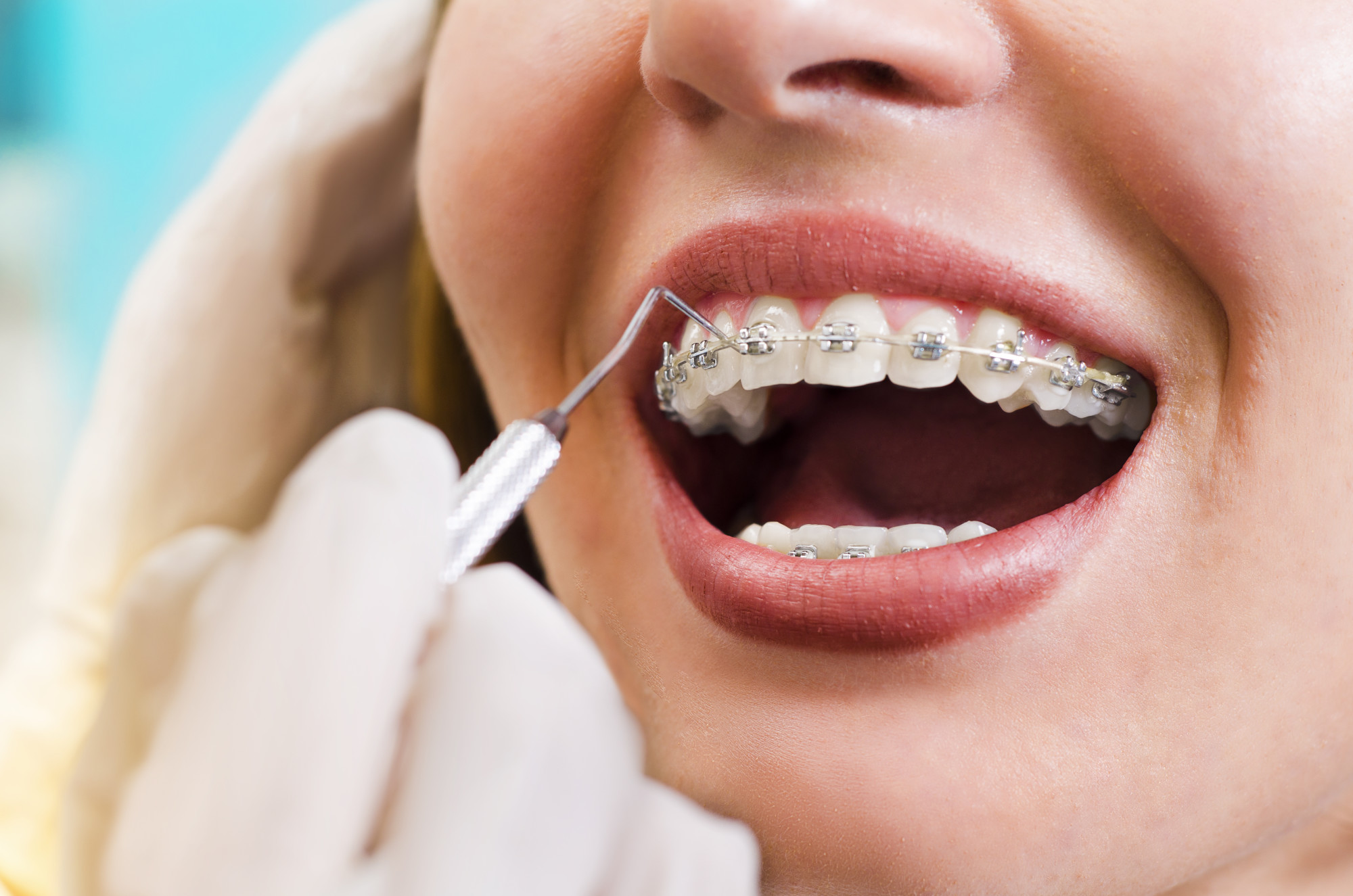
What Is the Average Age for Braces? How to Know When Your Child Needs Braces

Did you know that four million Americans have braces? That is a lot of braces on teeth in adults and children alike. Braces are very common and a part of growing up in many children’s lives. 

Are you wondering what the average age for braces is? Keep reading to learn if your child is old enough for braces and more about signs you need braces.

What Is the Average Age for Braces? 

The average age for braces changes depending on how fast a child’s mouth has developed. If a child loses their baby teeth very quickly then they may need to see an orthodontist around age 6. If your child loses their baby teeth later a visit closer to 10 or even as a teenager may be more appropriate.

It is a good idea to visit an orthodontist after all of your kid’s adult teeth have come in. This means that the jaw is likely not going to grow or change much more so it is easier to complete orthodontic activities. If your child does not have any problems or pains a visit to an orthodontist may not be necessary.

Look to your child’s dentist to give a recommendation on when your particular child should see an orthodontist for the first time. This will help dictate when your child gets braces, or not. 

Signs You Need Braces

Signs that a child might need braces may include but are not limited to:

  • Overbite
  • Underbite
  • Teeth that protrude
  • Jaw issues
  • Mouth pain
  • Problems chewing
  • teeth that do not grow in properly

There are many signs that your child might need braces. Work with your dentist or orthodontist to detect these situations.

Types of Braces

Braces come in many types, even for children. The most common type of braces for children are the brackets with wire and sometimes rubber bands. This is the classic type of braces that most people are familiar with.

Some children may be able to use kids Invisalign for their braces. This is a great option for kids who want a less visible braces approach. Not every child’s orthodontic situation will allow for Invisalign, but it is a great idea to ask your orthodontist if your child qualifies.

Another type of braces is braces with headgear. The type of braces your child can use or need will likely depend on their particular situation, age, and diagnosis. 

The different braces types may also vary in pricing. Work with your orthodontist to go over all of the types of orthodontic treatment options that are available to you and your child. Also, ask your child what type of braces they would prefer.

Get Braces for Kids

Now that you know the average age for braces, it is time to determine if your kids need braces. There are many dental options to best fit your children’s needs. Work with an orthodontist to get children’s braces. 

If you enjoyed this article be sure to read other blog posts on our website for more health information and tips. 


5 Surprising Benefits of Using a Garment Steamer to Clean

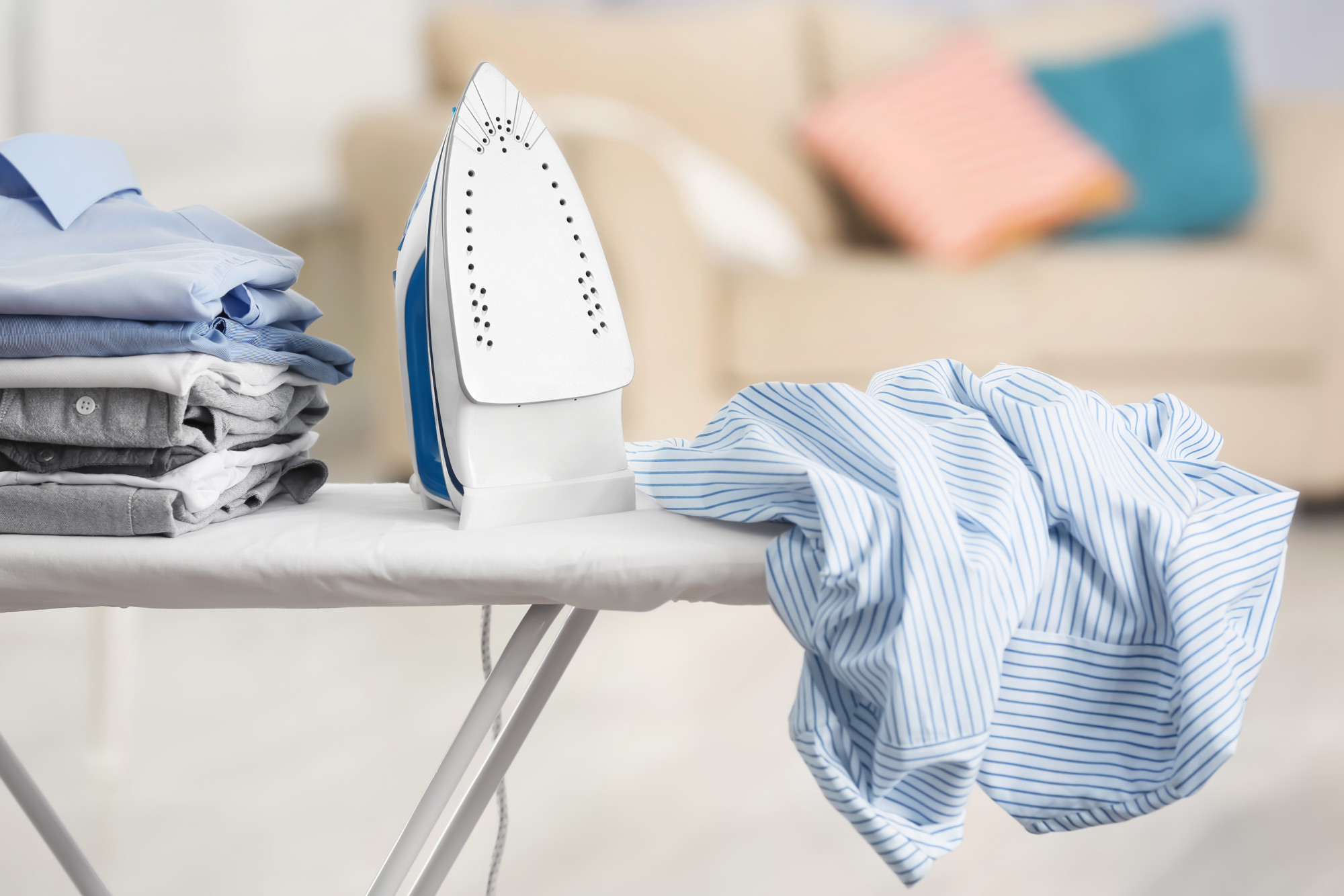
You wake up to go to work only to realize that you forgot to iron your uniform the night before. Now you’ve got to figure out how to de-wrinkle your outfit in less than two hours. If you had a garment steamer, this situation wouldn’t be so stressful.

There’s almost no set up time with them. All you have to do is turn it on, steam your clothes, and get out the door. Steamers are good for more than getting wrinkles out of your work shirts.

They have a ton of cleaning capabilities. Check out this guide for a full list of things that you can clean with a clothes steamer.  

1. Clean Your Couch 

Your vacuum cleaner is an amazing tool for getting crumbs and other debris out of your couch but it doesn’t do much for stains and spills. You could use a carpet cleaner but they use a bit too much water. You don’t want to soak your couch or you’ll ruin it. 

Using a Rowenta steamer is a different story. It uses hot water vapor to clean stains out of your sofa so not as much moisture is distributed. 

2. Wipe Down Your Drapes

Drapes can be pretty heavy depending on what kind you have. It makes them annoying to take down and throw in the wash. One of the benefits of steamers is that you don’t have to take them down. 

As long as they aren’t dry clean only, you can wipe them down with the steamer without removing them. If they are dry clean only, the hot steam will destroy them.  

3. Get Rid of Ugly Carpet Stains 

It’s always the worst when you bring your pet in from outside and they track mud onto your clean, white carpet. Light stains such as muddy paws can be taken care of by a garment steamer. It doesn’t work as well for deep, dried-in stains, however. 

4. Sanitize Your Countertops 

There’s a stomach bug going around that everyone in your family caught. As soon as you all recover, it’s time to go into sanitation mode. You can invest in a bunch of Clorox wipes or you can use your clothes steamer on every surface of your home such as your countertops. 

Your steamer is the perfect sanitation tool. The heat that it puts out is just enough to clear out germs and bacteria. 

5. Clean Up Grease 

Caked on grease is a disgusting but inevitable part of cooking. You can get rid of it with harsh cleaners that you bought from the store but if you don’t want to use those, your next best bet is a garment cleaner. The hot water vapor is great for breaking up grease. 

Everything a Garment Steamer Can Do for You 

Garment steamers aren’t only good for de-wrinkling your clothes. They’re great for cleaning various areas of your home.

They can tackle grease, clean up couch stains, sanitize surfaces, and wipe down heavy drapes. Pick up this universal cleaning tool and make your home shine. 

Looking for more thrifty ways to keep your home clean? Check out our blog daily for more articles like this one.