What Are the Developmental Psychology Stages for Growing Children?

Are you a new parent? If so, then you understand the anxiety of trying to make sure that your child grows up as healthy and happy as possible.

That’s why it’s so important to educate yourself about healthy emotional attachment, childhood cognitive skills, and other aspects of prenatal development and infancy.

Fortunately, you’ve come to the right place for help. This article takes a look at the developmental psychology stages of early childhood. Keep reading to get the inside scoop on how to make sure that your child is progressing in a normal and healthy way over the first few years of his or her life. 

Trust vs Mistrust

The first stage in childhood development occurs between birth and 12 to 18 months of age.

During this stage, you’ll likely notice that your baby is totally dependent on you for absolutely everything. This includes food, shelter, comfort, and warmth. 

Keep in mind that beyond meeting their physical needs, cuddling your infant is incredibly important so that they can develop a healthy sense of security and parental attachment.

Autonomy vs Shame and Doubt

Stage 2 of their development is from 18 months to 3 years of age. During this period of time, your toddler will begin to assert their independence.

You’ll also notice that your toddler has developed specific food preferences, thus you should allow them to choose their snacks, as well as to pick the shirts they want to wear, even if their choices don’t match. This freedom to make decisions is incredibly important for developing a healthy sense of autonomy.

Initiative vs Guilt

During stage 3, from 3 to 5 years of age, your child will develop their social skills. This period of development is significant because they will improve their abilities to make new friends, achieve goals, and begin taking responsibility for their actions.

It’s important to give them the freedom to explore the world within the limits that you establish.

This is also a period of time when they will ask lots of questions and being testing boundaries, so be prepared to be patient as their individuality begins to really shine.

It’s also important to consider therapy for children.

Industry vs Inferiority

Stage 5 is from about 5 to 12 years of age. During this stage, your child will learn lots of new skills. They will start comparing themselves to others and become more and more influenced by the culture as well as peer pressure.

Identity vs Confusion

During stage 5, your child will enter the very confusing part of life called adolescence. This is another stage where your patience will be put to the test, as your child challenges you more and more, as their sense of identity goes to a whole new level.

A Guide to the Developmental Psychology Stages of Early Childhood

Raising a child isn’t easy. Fortunately, this guide to the developmental psychology stages of children will help you provide the care your child needs to grow into a healthy and happy young person.

Keep scrolling to discover more great parenting and lifestyle advice on our blog.

8 Simple TMJ Exercises for Pain Relief

Is TMJ pain getting you down?

Jaw and ear pain caused by TMJ disorders can be a major disruptor in your day, especially since you can’t predict when the pain is going to set in.

However, you can try to reduce and relieve the pain with a few simple exercises. Keep reading for quick TMJ exercises for pain relief that you can do anywhere. 

What Is TMJ?

First, let’s define TMJ disorders. It stands for temporomandibular joint dysfunction and is one of the leading causes of ear and jaw pain.

Your TMJ is a joint that connects your jaw to your skull and works as a hinge to open and close your mouth. For people with TMJ disorders, you can feel severe pain and discomfort and even experience a regular TMJ headache.

Pain isn’t the only indicator of a TMJ disorder. You may also have a clicking in your jaw, or your jaw could lock up from time to time. It may be hard for you to open your mouth widely without pain or jaw clicking.

Another symptom of TMJ disorders is trouble chewing foods that are too crunchy or chewy. 

When TMJ pain strikes, it’s important to know how to relieve it quickly so you can go on with your day. Try a couple of these easy TMJ exercises for pain relief and see which ones work the best for you. 

1. Facial Massage

A facial massage is an easy way to relieve TMJ pain. Start by heating your jaw with a warm washcloth or heating pad. Once it feels warm, use your fingers to massage in circular motions along your jawline.

Massage slowly and work up and down your jaw for several minutes. Reapply heat as needed and continue massaging until the pain is gone.

2. Relaxing Your Jaw

You’re likely clenching your jaw without realizing it throughout the day. This can put more pressure on your jaw and increase TMJ pain.

Practice relaxing your jaw by holding your tongue to the roof of your mouth right behind your teeth and opening and closing your mouth several times. Letting your jaw relax like this will relieve the tension you’re holding by clenching.

3. Jaw Resistance

Resistance exercises will improve jaw strength and make your TMJ easier to manage. 

Start by placing your thumb under your chin. Apply pressure to add resistance as you slowly open your mouth. Hold for a couple of seconds before closing your mouth. As you close, keep the thumb on your chin and continue applying resistance. 

4. Jaw Movements with a Tongue Depressor

You can use a tongue depressor to complete a few easy jaw movements that will increase jaw mobility and relieve TMJ pain. Place the tongue depressor between your teeth and slowly move your jaw from side to side.

Next, move your jaw forwards and backward so that your bottom teeth are in front of your top teeth. Repeat each motion slowly for a few minutes.

5. Goldfish Mouth Openings

There are two variations of the goldfish exercise you can try to reduce your TMJ pain. For the first one, practice a partial opening. Hold your tongue to the roof of your mouth and place one finger under your ear with the TMJ. With your other hand, place your pointer finger on your chin.

Practice partially opening and closing your mouth slowly a couple of times. Try the same exercise again but open your mouth fully.

6. Chin Exercise

A simple chin exercise can relax your jaw and quickly reduce your pain. Standing with a straight spine, tuck your chin into your neck. It should look like you are making a double chin. Hold for a few seconds before releasing, and repeat for a couple of minutes until your pain subsides. 

7. Tongue Movement Exercises

Open your mouth as wide as you can without pain and touch your tongue to the roof. Next, slowly move your tongue back until you feel the soft spot on the roof of your mouth.

Then, stick your tongue out of your mouth as far as you can. Repeat this exercise in a circular motion a couple of times. Don’t try to go too fast; the slow movements will help reduce your pain quickly.

8. Open Up Exercise

Stretching out your jaw will release TMJ pressure, so try this stretching exercise. Just like before, open your mouth as wide as you can without pain. Then, place your hand on one side of your mouth and apply gentle pressure to your jaw.

Your jaw should shift sideways slightly. Hold it in this position for ten seconds before you release it. Repeat on the other side.

Other TMJ Treatment Options

If you experience regular TMJ discomfort that is severe and inhibits your daily life, seek professional help for TMJ pain relief. A chiropractor, massage therapist, physical therapist, and osteopathic physician can all help you. They can perform jaw and skull massages that reduce your pain and help you manage your TMJ disorder. 

Regular chiropractic adjustments are especially helpful for TMJ ear pain. Describe the pain to your provider and outline when and where you feel it the most so that they can focus the massage on your problem areas. 

TMJ Exercises for Pain Relief

Having these TMJ exercises for pain relief in your back pocket will help you combat the discomfort and soothe your jaw as soon as you feel the pain set in.

The exercises will also help to strengthen, relax, and stretch the jaw so that you experience fewer TMJ issues moving forward.

If your pain is severe and ongoing, contact your professional healthcare provider for help. For more health tips and resources, check out the rest of the blog. 

What Are the Common Types of Pillowcases?

It’s been a long day. All you want to do is feel your head hitting the pillow so you can drift off into a good night’s sleep. Did you know that having the right pillowcase can make your sleep experience that much more relaxing?

It’s true! Good sleep depends on comfort and comfort starts with the right pillowcase. Read the guide below to learn more about the different types of pillowcases you have to choose from.

Types of Pillowcases

When it comes to choosing a pillowcase, you have three design options – the housewife, the oxford, and the bag. The housewife pillowcase has an opening on one side and a panel to cover where the pillow is put inside. The oxford, usually seen with sham pillows, has a wide border around the edges of the pillowcase.

The bag design is the standard among all your pillowcase options. It has one opening on the side for the pillow. All three of these pillowcase types come in different pillow sizes.

Pillowcase Fabrics

Once you’ve decided on the pillowcase design you like the best, you can start to think about pillowcase fabrics. Consider comfort, style, affordability, and durability when choosing a pillowcase fabric.

Cotton is one of the most common pillowcase fabrics because it comes in many colors, patterns, and thread count options. Generally, the higher the thread count, the more comfortable it feels. Higher thread count cotton pillowcases are more expensive than lower thread count options.

Cotton pillowcases are also fairly durable and can be machine washed over and over without losing comfort or appearance. If you like cotton pillowcases but want a light, crisp feel, consider sateen mercerized cotton.

Looking for something more luxurious? What about a silk pillowcase? There are a number of benefits of silk pillowcases for your hair and skin. Not to mention that silk pillowcases are machine washable and can help protect against bed mites

Other options for fabrics include polyester, flannel, and satin. Polyester is an affordable fabric for pillowcases but it may not be a good fit if you run hot when you sleep. The fabric may retain body heat making it less comfortable.

Flannel may also be too warm for people looking for ways to sleep better. It’s soft, durable, and cozy, but tends to be better for cold weather climates. Flannel is also a nice aesthetic for a comfortable winter cabin or rustic lodge.

Satin pillowcases are made from polyester but feel like silk. Satin pillowcases are cool and smooth which warm sleepers prefer. Satin also has some of the same hair and skin benefits as silk pillowcases.

Choosing the Right Pillowcase

The best pillowcase is the one that helps you get the best night’s sleep ever. So, review the types of pillowcases above and consider which might fit your comfort and style needs.

Always check the label before buying pillowcases to make sure you know what the fabric and the thread count. Also, make sure to check the size of your pillows at home before buying pillowcases to make sure they fit together.

You can find more home goods advice along with other helpful information for frugal shoppers when you read my other blogs!

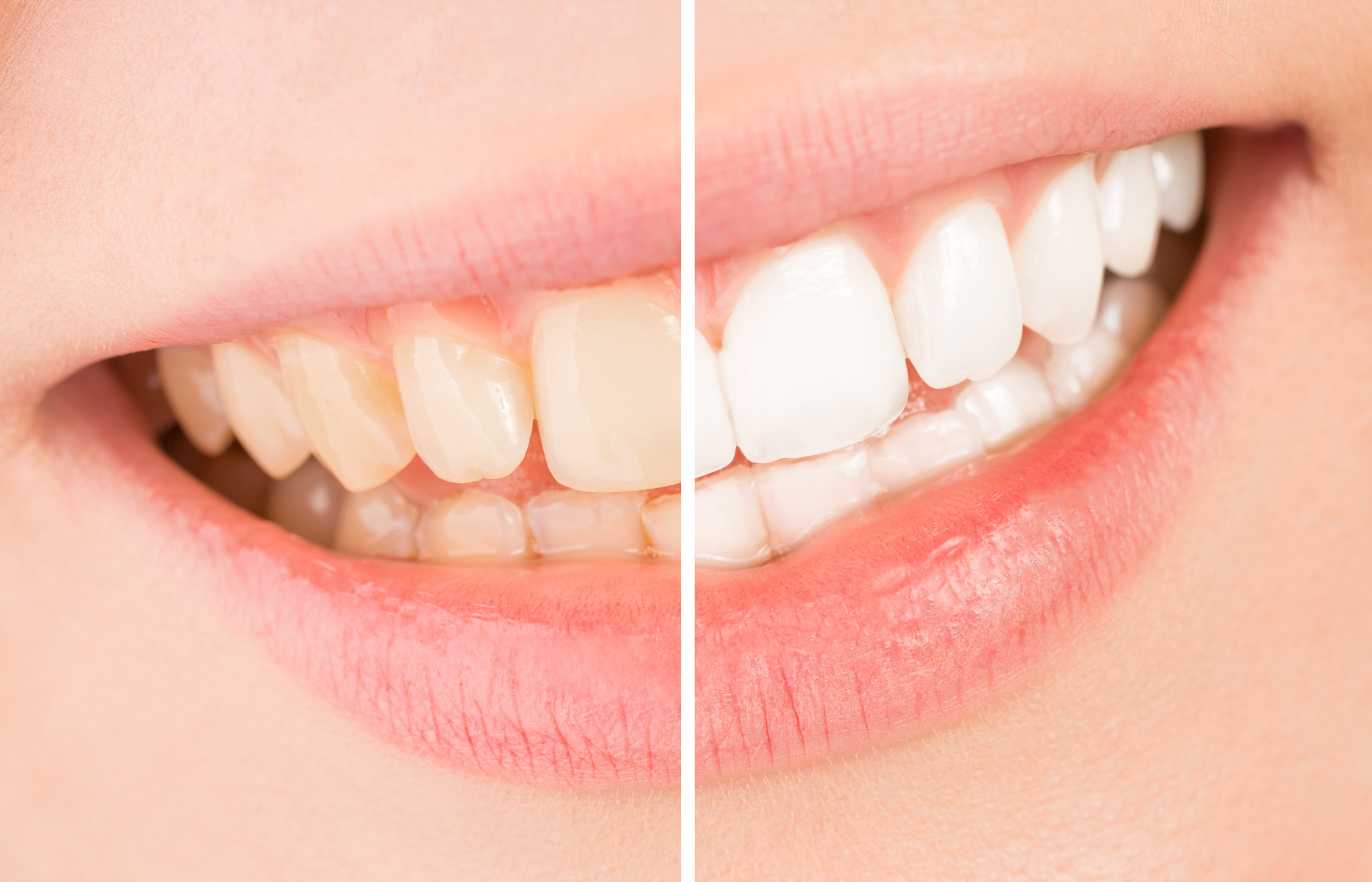
9 Common Teeth Whitening Mistakes and How to Avoid Them

We’ve all done questionable things to get a beautiful pearly white smile.

After all, it’s so easy to fall into bad bleaching habits. With more than 45 million Americans who have professionally bleached their teeth, you’ll notice that the teeth whitening industry has flourished, and there’s a product (or ten) that fits a variety of preferences and budgets.

That doesn’t mean that they’re good for your oral health, especially in the long-run. If you’re unfamiliar with the top teeth whiting mistakes, no worries. We’ve got you covered. Keep on reading for our top nine teeth whitening mistakes and how to avoid them. 

1. Teeth Whitening Mistakes 101: Overbleaching

Let’s start with one of the most common (and most dangerous) mistakes that people in the U.S. fall into. 

As a matter of fact, this has become such a big problem that dentists have referred to it as a new condition, called bleachorexia. Overbleaching your teeth can cause a host of problems like gum sensitivities, loss of enamel, and even soft-tissue chemical burns.

It’s essential to start your bleaching process by talking with your dentist. They can determine whether you’re a suitable candidate for teeth whitening and will help prepare your mouth for the process. 

For instance, the best time to bleach your teeth is right after a thorough dental cleaning. This way you’ll have a clean and smooth tooth surface, which will give you the best results. 

You’ll also want to learn more about teeth whitening aftercare, which can either make your results last forever or make you feel as if you haven’t done anything.

2. Picking a Generic Dental Tray

When you skip the opportunity to get a tailor-made tray for your teeth by your dentist, you’ll have to use a generic tray. 

A generic tray can lead to spillage, make you swallow whitening solution, and lead to disappointing results. All of these factors can cause you to repeat the process, which will be both bad for your oral health, as well as costly. 

On the other hand, when you use a customized tray, you get to enjoy a great fit over your teeth. The bleach will be kept properly in contact with your teeth, and stay away from your gums and throat.

3. Whitening Your Teeth at a Salon

Sure, it might be a little less expensive to whiten your teeth at a salon. However, there are solid reasons why you should go to your salon for getting a facial or a manicure. 

Simply put, a salon won’t have the right disinfection materials so that they can conduct a proper disinfection process of the whitening equipment. To use bleaching equipment, you must have the ability to fully sterilize it before (and after) every single use. 

Unfortunately, the majority of salons won’t have this capability on hand, which can lead to a higher risk of infection. 

4. Regirous Use of Whitening Toothpastes

If you tend to use a whitening toothpaste daily, or twice a day, you need to stop.

Any sort of whitening toothpaste works by removing stains on the surface of your teeth, that might have been caused by drinks, like coffee and tea. However, when you use them daily, they can actually make your teeth look much worse. 

They are too abrasive for daily use and could cause severe tooth wear. You’ll want to make sure that your toothpaste doesn’t have a compound called silica, as this can remove your teeth’ surface enamel if you overuse it. 

5. Treating All Your Teeth the Same Way

Some patients might be unaware of their teeth conditions. For example, if you have veneers, or porcelain crowns, applying a whitening product to them can remove the surface glaze, or even the shiny restoration part, which can make them look horrid. 

When you consult with your dentist, they’ll be able to immediately tell whether you have restorations in place and will provide valid advice on how t safely whiten your other teeth. 

6. Picking Your Whitening Products Online

Sure, it’s easy and probably cheaper to buy questionable whitening products online. 

However, the whole premise of whitening your teeth is having stronger, healthier, and better-looking teeth. When you decide to buy sketchy products online, you’re playing Russian roulette with your oral health, and things might even backfire. 

If buying things online is your only option, then at least make sure to do some solid research before making your purchase. 

7. Not Having Clean Teeth Before the Procedure

If you haven’t been brushing and flossing your teeth pre-whitening, then you might run the risk of having some residue left on your teeth that can prevent the whitening substance from getting to your enamel and removing any stains. 

Just make sure you’re not brushing too hard, either. You don’t want to deal with bleeding and sensitive gums. 

8. Eating Acidic Fruits

If you tend to maniacally eat a whole lot of acidic fruit to brighten your teeth, you’re doing yourself a disservice. 

Fruits that have a low pH are very effective in breaking down the dental enamel. Unfortunately, once you’ve lost a layer of enamel, it doesn’t grow back. This can cause dental cavities, tooth sensitivity, and even gum tissue recession. 

9. Doing It Once and That’s It

Once you’re going through a teeth whitening process, you’ll need to make it a frequent occurrence to maintain your pearly whites. 

This is even more essential if you’re a person that consumes a lot of tea, coffee, red wine, or tobacco. All of those are staining agents, so they’ll re-stain your teeth as time goes on. 

You’ll want to get your dentist’s advice on how often you should be whitening your teeth. 

Ready to Blind People With the Sheer Whiteness of Your Teeth?

We know how overwhelming it can be to dip your teeth for the first time in the world of teeth whitening. With a million and one product on the market, and all of them promising amazing results, you’ll want to take a step back and do your research.

Hopefully, our guide on the top nine teeth whitening mistakes and how to avoid them was helpful to you. 

Just remember to always consult with your dentist whenever you’re in doubt. 

How to Make Money While Traveling the World With These 3 Ways

Do you love traveling? Perhaps you’ve always wanted to go to Morocco or Egypt or even further afield to places in Asia like Thailand or Myanmar. 

If this is the case then you’ll want to know how you can continue traveling indefinitely. 

The only way to do this really is to have a job, business, or income whilst traveling to sustain your lifestyle. This is how to make money while traveling. 

1. Teach Online 

Teaching online has become one of the most popular occupations for people traveling around the world now. And when it comes to destinations there are also lots of choices from which to teach from as well. Imagine teaching from the beaches of Australia. 

The Chinese market is very popular and very lucrative. There are lots of jobs available not just in China itself but with Chinese companies that accept remote work. 

And now teaching online is the new normal thanks to the pandemic finding a job should be easier than ever as new opportunities have come online. 

You can join any number of companies by simply filling in an application and verifying your qualifications. VIP Kid and iTutor are both companies that are great to join. This is one of the best money-making ideas. 

Remember that often your accent is important and more jobs are available if you are from the U.S. or Canada rather than countries like South Africa, even though your English might be perfect. 

2. Become an SEO Writer

Another route to traveling around the world is to become an SEO writer. This is writing content for websites that is optimized to meet certain requirements. 

You can start by writing for some small sites first that offer less money and then work your way up to bigger sites and clients who offer higher pay for content. 

You can advertise yourself online and on Facebook to try and get some clients in. This is one of the best money-making ideas. 

3. Start Your Own Business 

If you want to start your own business you can stand to earn thousands of dollars every month.

There are so many great business opportunities out there and on your travels, you are likely to meet hundreds of other digital nomads looking to create a great online business as well.

Be sure to get yourself a great business plan to keep you on track. Put your efforts into deciding what you want and then drive this home by surrounding yourself with the right people. 

There are several business ideas you could try:

  • Starting an SEO website and ranking it
  • Selling your own online course
  • Making a product that people can buy like a notebook
  • Starting a PR agency with other people you like.

All of these business ideas can be put into practice remotely and you can hire anyone from the world to be on your team. 

How to Make Money While Traveling

If you want to make money traveling then be sure to come up with a great business plan or find a passion you love. Then think about a way you could make that work for you as a remote job.

Online, teaching, content writing, or setting up your own business, there are so many ways to get paid to travel these days.

If you’re interested in learning more about how to make money while traveling be sure to check out the rest of our site. 

How to Set Up Payroll for a Small Business

Are you wondering how to set up payroll for a small business? If you are a business owner with either employees or contractors, you will need to set up a payroll system. 

While setting up payroll is necessary, it can be a confusing and difficult task. Unlike other mistakes in your business, if you set up or run payroll incorrectly, you can face fines, lawsuits, and even the closure of your business. Fortunately, by knowing what steps to take, you can set up your payroll correctly and decrease your risks of making mistakes.

If you need to set up a payroll system but aren’t sure how to get started, this short and simple guide is for you.  

Know What You Need To Get Started

The first step towards setting up your payroll management system is to know what you need to get started. This is an essential step, one that can save you a lot of legal trouble long-term. Visit your state’s labor website to find out everything you need to get started with payroll. 

Choose a System and Schedule

The next step for setting up your small business payroll is to choose a system to use. You can choose to process payroll manually or use an automatic system. After choosing your system, you should also choose your payroll schedule

Add Your Employees

After choosing your payroll system and schedule, it’s time to add your employees into the system. Depending on the system you have, this can be as simple as having your employees fill out a few online forms, or as difficult as manually processing each employee. Make sure you are adding the correct information for each employee to decrease your risks of making a mistake. 

Learn the Ins and Outs of Running Payroll

After your payroll is set up, you need to learn the ins and outs of running it. This can be a complicated process as there are many moving parts to processing payroll. Consider taking advantage of the customer service and support that is available for the system you choose. 

Consider Outsourcing

If you are feeling overwhelmed with all of your payroll tasks, considering outsourcing. This is a great way to take advantage of a team of experts for a fraction of the price. Research payroll outsourcing companies and choose the best one for your business. 

This Is How To Set up Payroll for a Small Business

By following these tips for how to set up payroll for a small business, you can make sure your system is set up correctly. 

Start by knowing all the rules and regulations you need to follow. You should also choose a payroll system, determine a payroll schedule, and add your employees. Make sure to learn the ins and outs of running payroll and consider outsourcing if you are feeling overwhelmed. 

Follow these tips and you’ll be well on your way to paying your employees or contractors.

Don’t forget to browse our site for advice on relationships, travel, beauty, and more.

Orthopedic Care: Signs Your Child May Need Orthotic Inserts

Has something seemed… off about your child lately? Is it just your imagination or are they dragging their feet when they walk? And why does it seem like they’re always leaning their weight on one leg over the other?

What you’re noticing may not be a behavioral change. Your child may be dealing with pain in their feet.

There are several signs to look out for, which we’ve listed below. If your child meets the criteria, seek orthopedic care.

They’re Out of Alignment

Pediatric orthopedic care is more necessary for kids with misaligned knees and ankles. The tops of their first two toes should line up with the center of their knees. 

You can also check the backs of their ankles. The large tendon that runs from the heel to the calf should form a straight line. If it curves in any direction, your child is out of alignment. 

Alignment issues may seem minor but they can lead to injury down the line. Improper alignment can affect their knees, hips, back, and shoulders. If in doubt, give your doctor a call.

They Have Low Arches (or Flat Feet)

When should children have orthotics? Usually, when their arches don’t develop. 

44% of children aged three to six have flat feet. Typically, this improves with age as the bones in the feet become more rigid. But if the child’s arches don’t develop, they can be at higher risk for certain health issues. 

For example, flat feet can lead to overpronation. This is where the ankle rolls in when the child takes a step. Overpronation can lead to injuries, knee issues, and postural problems over time.  

They Lag Behind

If your child is always lagging behind or opting out of physical activity, this may be a sign of something awry. Foot or ankle pain can keep them from running full-speed into the next activity. 

This is one way to know how to tell if kids need orthotics. Ask them if they have any pain or discomfort when they walk. If they also have flat arches, take them to see a pediatric podiatrist.

They Trip Often

Excessive clumsiness is another reason to look into orthopedic care for kids. Kids aren’t the most coordinated among us. But if your child is always tripping, they may have an issue with their feet. 

This can be a helpful non-verbal cue that they’re in pain or struggling to walk properly. Check their feet for abnormal growth, bunions, or excessive pronation.

They Complain of Foot Pain

This is one of the more straight-forward signs that you may need to look into orthopedic inserts for kids. Your child may come right out and tell you that their feet hurt. 

But if they’re too young, they may tug at their shoes or refuse to stand or walk. Consider double-checking their toddler shoe sizes. The issue may be that they’ve already outgrown their shoes again. 

Foot pain should always be treated seriously, as it can lead to more problems in the future.

Consider Orthopedic Care

The above are several common reasons to seek orthopedic care for your child. But you don’t need to drop everything at the first sign of a wobble. If your child shows symptoms often, contact your podiatrist.

To learn more about affording pediatric care, visit our Personal Finance & Budgeting section.