Category: Green Living

How to Live More Sustainably in 2022
Are you ready to live a more sustainable lifestyle in 2022? Around the world, people are growing more environmentally conscious and are adopting new sustainable living practices.

A recent survey found that more than three-quarters of people (77 percent) want to learn how to live more sustainably. It also found that people who are eco-conscious are more satisfied with their life than those who aren’t and have a more positive life outlook.

In this blog post, we will look at some practical steps that you can take to live more sustainably in 2022. Let’s get started with our ideas for sustainable living.

Reject Fast Fashion

Fast fashion refers to cheap and trendy clothing that is mass-produced at low cost. There is a huge environmental footprint for its production and disposal. Opt instead for good quality clothing that has been designed to last and has been produced in a sustainable manner.

Sustainable living products don’t just apply to clothing either. Check out this quality bed set for sustainable luxury. 

Opt For Local Produce

There are many benefits to eating foods that are locally sourced. It supports sustainable agriculture and local businesses and is also fresher, tastier, and more nutritious than food that has traveled many miles to reach your plate. Eating more local produce will also shorten the distribution chain and reduce the amount of waste that is produced in the process.

Reduce Your Use Of Disposable Products

As much as possible, try to replace your home’s disposable products with ones that are reusable. It’s one of the easiest ways to live more sustainably.

Paper towels can be replaced with cloth napkins, for example. Another suggestion is to bring a reusable coffee mug to your cafe in order to avoid taking a disposable cup.

Buy Used Products Whenever Possible

Just because something has already been used doesn’t mean that it can no longer serve its intended purpose. Rather than always buying new, check out our local thrift shop and online sites such as Freecycle and give old items a new home. Not only is browsing second-hand goods good for the environment, but this kind of minimalist sustainable living is also a lot of fun!

Make Your Own Cleaning Products

This is something that is really easy to do and will also help you to save money. To make an eco-friendly all-purpose cleaning, simply combine one part of warm water with one part of white vinegar. A useful toilet and tub cleaner can be created by mixing one cup of baking soda with three tablespoons of liquid soap and three tablespoons of vinegar.

Fresh Ideas For Sustainable Living In 2022

As the above ideas highlight, it is not difficult to make effective changes in order to lead a more sustainable lifestyle. The philosophy of reduce, reuse, and recycle is easy to follow and you can have a positive impact on both the environment and your overall wellbeing and mental health.

Like this blog post on practical ideas for sustainable living? Be sure to check out our other informative articles on a wide range of interesting topics.

5 Benefits of Holistic Living

As the 21st-century rolls on, more and more people are getting involved in the world of alternative medicine. Though many great medical advancements were made in the late 20th century, people are beginning to feel that traditional medicine might not be the best way for them. 

Have you found yourself desiring to explore less conventional forms of medicine? Do you wish to combine conventional medicine with alternative styles? 

If you answered yes to any of these questions, you might want to try holistic living. This article will walk you through a few benefits of a holistic lifestyle.

1. You’ll Stay Away From Medication

One of the big reasons people dislike conventional medicine is the sterile, heartless, medicine-driven way they treat problems. Medication doesn’t seek to address the root cause of the problem, opting to treat the symptom instead. 

You also have to consider that pharmaceutical companies make money off of the drugs they’re selling. This can cause them to push drugs on people that might not be in their best interest. It’s no wonder why so many Americans don’t trust them anymore

2. Problems Will Be Dealt With Personally

One of the biggest advantages of holistic medicine is that it understands that every human body is different. Rather than prescribe everyone with the same symptoms the same medicine, it’s about adapting your lifestyle, diet, and thought patterns to heal.

Holistic medicine seeks to take a personal approach to problems in order to deal with them at the source. 

3. It Can Help You Relieve Stress 

While conventional medicine deals with one specific symptom, holistic medicine seeks to address your whole being. By engaging in holistic healing practices (which often involve changes in a diet, planning your day, and monitoring your habits), you can cure several problems with one all-encompassing solution. 

Holistic medicine doesn’t just cure your problems, it sets you up to cure your future problems. 

4. It’s Affordable

It’s impossible to deny that allopathic medicine treatments can run you a huge doctor’s bill. One of the biggest advantages of holistic medicine is that you likely have the tools to engage in it in your own home. 

Holistic medicine is all about starting with yourself, not what a doctor wants for you. For more information about holistic living, check out this great health and wellness blog

5. It Helps Prevent Illness

Unlike allopathic medicine, holistic medicine prepares a clear path through life even when you aren’t suffering from an illness. The holistic approach to healing is about living your life in a way that will keep you healthy and happy. 

Understand the Benefits of Holistic Living

As you can see, holistic living is a wonderful option for anyone a little tired of conventional medicine. It keeps you away from medication, deals with your problems personally, helps you relieve stress, costs less, and helps prevent illness. 

For more articles like this, check out our “family life” section. 

Save Some Green: 5 Ways to Go Green and Save Money

Did you know that more Americans than ever are interested in living a more sustainable lifestyle? With temperatures rising and resources drying up, it is more important than ever to be conscious of the resources that you use.

Do you want to go green to save some money and help the planet at the same time? Here are some of the best ways to save money and create a more sustainable Earth for everyone.

1. Eco-Friendly Cleaning Products

Many common household products contain toxic ingredients that are harmful to the environment and to humans. Rather than wasting money on these products, it may be cheaper to make your own.

The best way to save money on cleaning solutions is to make a basic cleaner out of vinegar, water, and essential oil for a good scent. You can also use the internet to find all kinds of different cleaners using basic household ingredients.

2. Solar Energy System

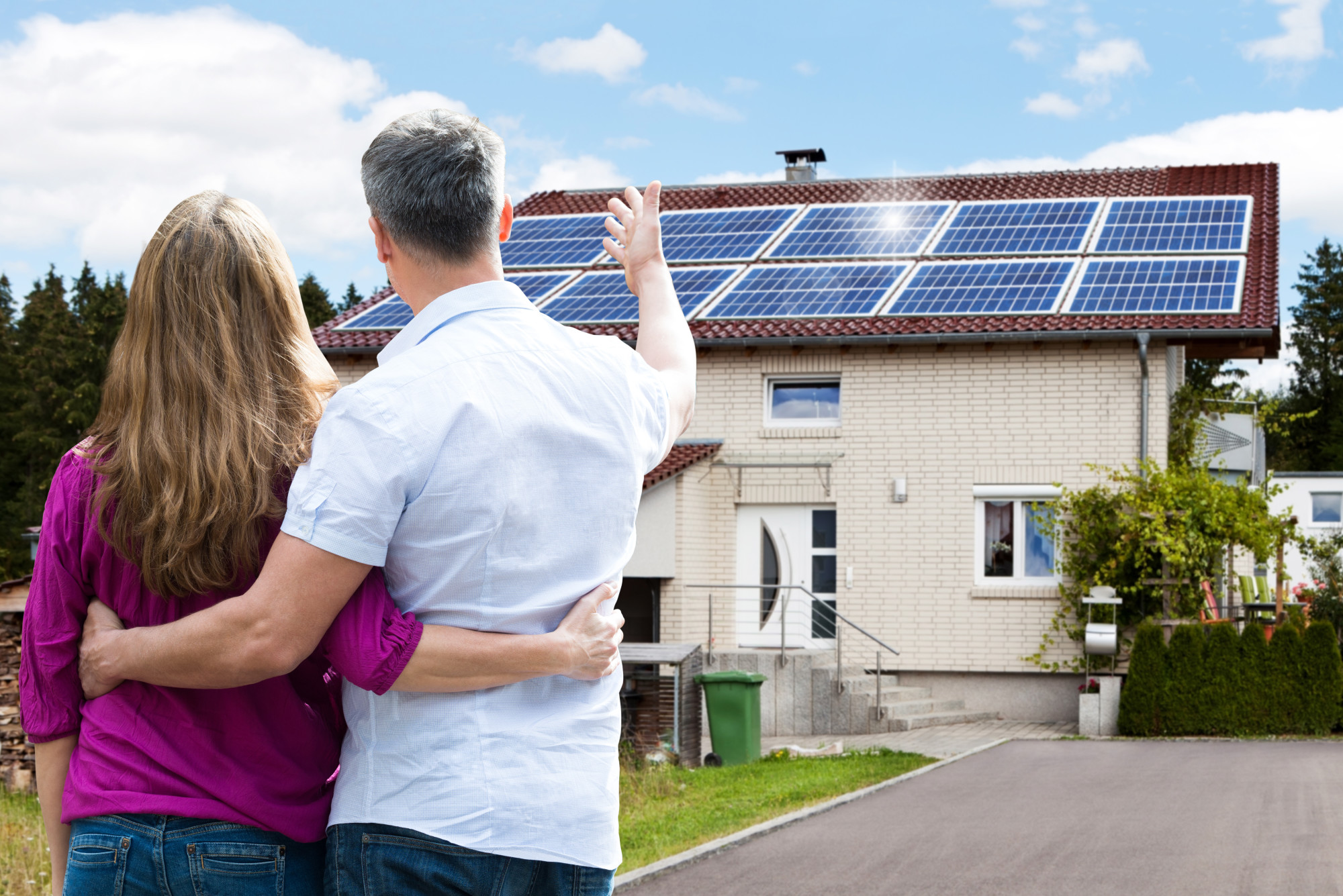
Solar panels are a great way to create sustainable energy and save money on your electric bill. With enough solar power storage, you may even be able to eliminate your power grid usage completely.

Although the upfront cost can seem daunting, you will save money in no time. If you want to learn more about solar, check out this website. Many companies offer payment plans and tax incentives so it is more affordable.

3. Reusable Shopping Bags

Many states such as California now require customers to pay for plastic bags at the grocery store. Bring your own reusable bags to save money and prevent more single-use plastic.

Grocery stores may offer reusable bags with special designs and fun patterns. Make sure to buy a variety of different sizes, so you have a bag for every situation.

4. Switch to One Vehicle

If you work from home or your partner does not need a vehicle at all times, it may be a good idea to sell one of your cars.

You can invest the money in something like a solar energy system or simply on a splurge. One vehicle will cut your carbon emissions substantially.

5. Grow Your Food

Have you ever wanted to have a garden for fruits and vegetables? Now can be the perfect time to act on that dream. Growing your own food can save you money and prevent exposure to harmful pesticides.

Make sure to research what types of foods grow best in your climate according to the season. Save your money in the grocery budget for foods that you can only get at the store.

Go Green With These Tips

If you want to save the environment, you do not have to spend a lot of money for minimal results. With these ideas to go green, you can live a more eco-friendly lifestyle.

Want to learn about all of the ways that you can save money in your everyday life? Check out our site for more thrifty ideas and inspiration so you can put away your extra dollars.

5 Cheap Ways to Reduce Carbon Footprints

According to the EPA (Environmental Protection Agency), the US released over 68 million tons of pollution in 2020. Sadly, environmental experts believe that if people don’t change their way of being, pollution will double in only a few decades. Fortunately, it’s not expensive to reduce carbon footprint, but it does take time to accomplish.

Are you one of those individuals trying to reduce carbon footprints? If so, you’ll want to read these tips on helping the environment on a budget.

1. Change Your Eating Habit

Livestock that is used for meat or dairy contributes heavily to the world’s global greenhouse gas effect. And since the world’s population continues to grow, farmers are breeding even more livestock to keep up with that growth. So, you can reduce your carbon footprint by eating more fruits, veggies, grains, or beans.

Of course, going green on a budget doesn’t mean you can’t eat any meat, but try to purchase meat from ecological farmers.

2. Avoid the Throw-Away Fashion Trend

Nowadays, most fashion trends last months, so people are constantly getting rid of “old fashioned” clothes and buying the latest trend. So, if you want to go green, keep your clothes, even if they are not the latest in fashion trends.

But, of course, this doesn’t mean you can’t buy new clothes. Rather you should just buy what you need at the moment.

3. Harness the Power of the Sun

Contrary to popular belief, solar installation is easy and affordable. Nowadays, you can receive lots of governmental help when you switch to solar energy. On top of that, you’ll save hundreds of dollars on your energy bill, which is good news since you’re going green on a budget!

4. Reuse Items

Every year, countries produce millions of tons of plastic, which creates a high concentration of pollution. Additionally, plastic wreaks havoc on the ocean since it destroys coral reefs and kills marine life. So, a good way to reduce your carbon footprint is by getting containers made of glass.

Additionally, plastic containers have a short lifespan which means you’ll need to purchase new ones often. In sharp contrast, glass containers can last a lifetime.

5. Adapt the Way You Travel

Cars are the number one pollutants in a city, and since every city has thousands of them, it makes pollution even worse. So, one way you can reduce the carbon footprint in your city is by dumping your car and using public transportation.

And if you’re the athletic type, you can try to use your bike as you travel through the city.

Together We Can Reduce Carbon Footprints

Hopefully, with this post, you know how to go green and do so on a budget. But, of course, to really reduce carbon footprints, everyone will need to contribute. Nevertheless, you can start contributing today by following the tips mentioned before.

How do you reduce your carbon footprint? Let us know in the comment area! And if you want to learn more ways to save money, be sure to check out our other topics!

Your Carbon Footprint: 5 Ways to Reduce Emissions

With the threat of climate change looming, it’s never been more important to do what we can to protect the planet. And while one person’s efforts to reduce emissions can’t change the world, they do set a good example.

This leads to more people making positive changes until taking steps toward a healthier world becomes the norm.

Best of all, reducing your carbon footprint isn’t as difficult as you might think! It’s not about rearranging your entire life. Small, simple changes make the largest impact.

To learn how to reduce your carbon footprint and help the environment, just keep reading!

1. Seal Your Home

One of the easiest ways to reduce your carbon emissions is to ensure that your home is sealed well against the elements.

There are two options here. One is to request a professional from your local electric company to do an energy audit. The other is to go the DIY route, inspecting your home for potential leaks yourself.

Doing it yourself isn’t difficult; all you have to do is check the windows and doors for air leaks. When you spot a drafty area, make a note that you need to add weather stripping or a storm door.

2. Drive Less

We all know that exercise is key to a healthy, energetic life, but how many of us actually get the amount we need?

Well, what better way to knock out your recommended 150 minutes of weekly exercise than by biking or walking instead of driving? You can improve your health while reducing your carbon emissions!

Any time it’s safe and realistic to do so, skip the car. Your body will thank you! If you can’t bike or walk to your destination, consider public transportation or carpooling.

3. Buy Local Food

Believe it or not, even your food choices have an impact on your carbon footprint. Now, you don’t have to switch to a full-blown plant-based diet if you don’t want to. But consider reducing the amount of meat, especially red meat, that you consume.

Not only is it healthier for you, but it reduces greenhouse gas emissions created by processing meat and dairy products.

If you do buy meat or dairy products, why not buy from your local farmer’s market? You’ll get higher-quality products and support your community at the same time!

4. Use Renewable Energy

For many people, switching to renewable energy isn’t possible to do overnight. However, more and more energy companies are providing renewable options to their customers such as wind and hydroelectric energy.

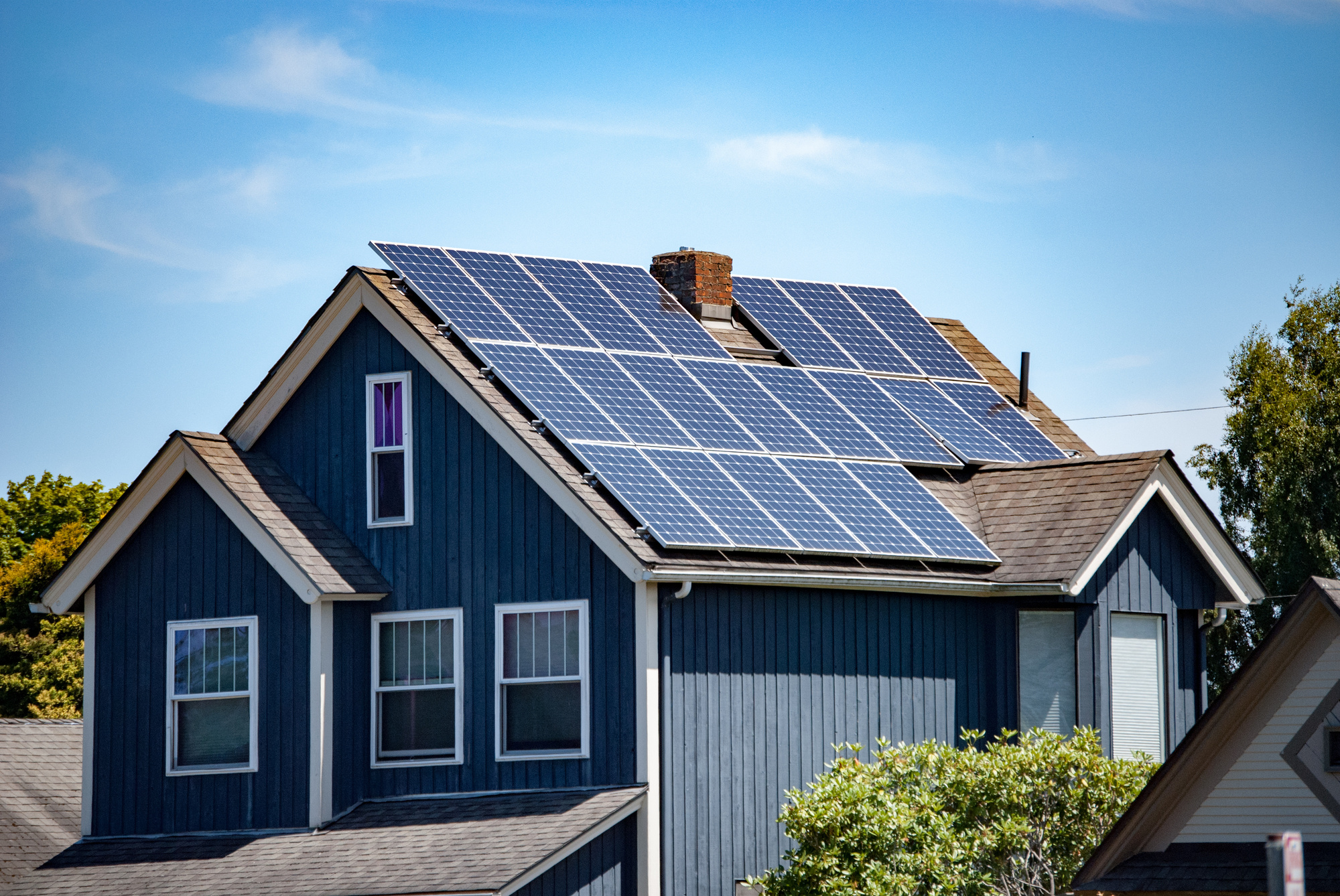
Also, keep in mind that, while installing solar panels on your home is an investment, they’ll pay for themselves! There’s no harm in contacting your local residential solar provider for an estimate – you never know, it could cost less to purchase solar panels than you think.

5. Go Energy-Efficient

If you don’t already own energy-efficient appliances, there’s no need to spend a fortune replacing them all at once. Instead, as they require replacement, choose energy-efficient options.

While you wait, make small changes to your habits. Ensure that you turn off all lights when you leave a room, wash your clothes in cold water, and use power strips instead of plugging directly into outlets. In doing so, you can turn the strip off when you’re not using it and prevent unnecessary energy drain.

Reduce Emissions to Do Your Part for the Planet

The efforts of a single person might seem meaningless, but if everyone did a little to reduce emissions, the effect would be enormous. And when you do your part for the planet, you benefit as well!

Not only do you have cleaner air and a healthier Earth for your children, but you also have the opportunity to live a healthier, more active lifestyle.

Interested in learning more ways you can help the planet and live a healthier lifestyle? Take a look at our blog!

Protect Our Oceans: 4 Reasons to Ditch Plastic Bags Forever

The problem with plastic bags is that trillions are produced each year and a majority of these bags are simply tossed out to plague our landfills, forests, and natural water systems.

By the time you finish reading this sentence, around 800,000 plastic bags will have been consumed.

Environmentalists estimate that more than 300 million plastic bags end up in the Atlantic Ocean alone. These discarded bags are left to pollute our water, harm and kill ocean life and other wild animals, and put human health at risk for centuries to come.

In an age where there are so many sustainable alternatives to plastic bags, there’s no reason to continue to consume them, and we’re about to tell you why. Here are 4 reasons to ditch plastic bags (forever!) and save the earth while doing so.

1. Plastic Bags Never Fully Break Down

The plastic bags you bring your groceries home in today will be on this earth long after your great-great-great-grandchildren are born (and then some!).

It’s estimated that a plastic bag gets 12 minutes of use before it’s thrown away. Were those 12 minutes of short-lived convenience worth the thousands of years that the bag will be in a landfill or ocean?

Looking for an alternative? Check out this organic tote bag that’s high quality and will last you for years and years. Imagine how many plastic bags you’ll be saving!

2. Plastic Bags Are Killing Our Oceans

It’s predicted that, by 2050, there will be more plastic in our oceans than fish. This should be extremely troubling to you.

Sea creatures like turtles, dolphins, and seals often mistake floating plastic bags for a meal. They ingest it and then die when their stomachs fail to digest the plastic and they’re left to starve. Seabirds and other marine animals also can be choked by plastic bags when they get entangled in them. Don’t use plastic bags, save our oceans!

3. Plastic Bags Are Putting Human Health at Risk

The chemicals that are used to produce plastic are potentially toxic to humans. A plastic bag we use once and then throw away could find it’s way back into your stomach through water or food you consume.

This is because seafood can contain tiny pieces of plastic in it (from when the animal consumed plastic in the ocean) and because plastic can break into microscopic fragments that enter our water systems.

4. Plastic Bags Are Hard to Recycle

The cost, time, and equipment that it takes to recycle plastic bags makes the process difficult. Most recycling programs don’t accept plastic bags because, more often than not, even recycled plastic bags end up in landfills or other areas.

You can take your plastic bags to a grocery that accepts pre-used bags if you don’t know what to do with your stash.

Say Goodbye to Plastic Bags

In a world where there are consequences for your actions, your choices matter. Start by bringing your own reusable tote to the grocery store, or saying no to a bag when shopping in a store.

Whatever you do, it’s time to ditch plastic bags for good. Don’t be a part of the problem.

Did you learn something new in this article? If you, make sure to read our other posts about all things sustainability.

Pro Saving Tip: Generate Your Own Energy With Solar Panels

Over the last decade, the solar industry has seen a 49 percent rise in its usage.

From the good it does for the environment to the amount of money it’s possible to save by investing, there’s no questioning why the increase has come. Even with the steep increase in its usage, a large portion of the United States still doesn’t fully understand the benefits of solar panels.

To understand the benefits, you must first understand how it works. Then the goodies can start flowing in.

Read on to learn how to generate your energy (and become energy independent) with the help of solar panels.

Where Does Traditional Power Come From?

Lett’s start with the basics.

Electricity is produced from a turbine pushing a fluid (liquid or gas) through a generator. There are different kinds of turbines used in the United States, like steam turbines, combustion (or gas), water, and wind. The most common turbine in the U.S. is a steam turbine.

To work this turbine, hot water and steam must be produced by burning fuel in a boiler or capturing heat from a fluid.

Now, what’s burned to capture the energy needed to create electricity? Fossil fuels. That’s right — coal, geothermal energy, petroleum, natural gas, nuclear energy, or even solar thermal energy.

This electricity is produced by a company that you then pay it to use.

How Do Solar Panels Work?

Switching to solar panels allows you to avoid burning fossil fuels altogether, and lets you go straight to the source — the sun.

Solar panels are made of photovoltaic cells or a solar cell made from silicon. When sunlight hits the silicon, it begins producing direct current energy. This energy can’t power most appliances in your home.

With the help of an in-home converter, that energy is changed to alternating current energy, which can be used to power appliances and other things in your home.

When you switch to solar panels, the separate electricity company is cut out. You’re taken off the traditional power grid and placed onto your own. In fact, you’re actually able to contribute to the power grid.

Excess energy produced by your solar panels is sent to the grid, which some utility companies pay you for.

Why Should You Make the Switch?

Well, the most obvious reason is avoiding the burning of fossil fuels, a nonrenewable energy source. In turn, you’re exchanging it for a cleaner, renewable energy source.

The power grid you’re on right now (unless you’ve already installed solar panels) is used to power everything in your area. Businesses, offices, towers and lines, all of the homes in your neighborhood.

Because the sun is the source of your electricity and not that power grid, you’re less likely to experience a power outage or blackout.

Since you are no longer paying the electricity company to supply energy to your home, you end up saving money.

How Much Do Solar Panels Really Save You?

The short answer to this question — it depends on your area.

Across the country, utility prices have gone up by an average of 3 percent per year over the last ten years. When talking about savings with solar panels, it means the amount of money saved from your normal electricity bill.

In states like New York, the monthly savings sit at $73.41. Over 25 years, that number grows to $23,670. In Charlotte, North Carolina, monthly savings sit at $72.99. Over 25 years, that number climbs to $23,533.

In different areas of California, the savings over 25 years range from almost $40,000 to $42,000.

Other Benefits

Adding solar panels also increases your property’s resale value. Like a new bathroom or home addition, solar panels are an upgrade.

You’re also entitled to a rebate on your solar panel investment with the solar Investment Tax Credit. In 2020, that tax credit sits at 26 percent of the amount you invested. In 2021, it drops to 22 percent. After that, the amount back sits 10 percent for businesses.

Some requirements need to be met before you’re entitled to the rebate.

Will They Damage My Roof?

You want the best solar company to install your solar panels.

A lot of homeowners are skeptical of solar panels because of the potential damage they may bring to their home’s roof, but this fear is often unnecessary.

Because holes need to be drilled into essential parts of your home’s roof, it’s understandable. These holes are for the lag bolts needed to hold the solar panels in place.

Holes may lead to leaks, right? Not necessarily. The bolts are designed to withstand extreme weather and have flashing surrounding each one to keep water out. Flashing is also placed on any corners your roof might have (i.e. where the horizontal plane meets a vertical one).

The flashing gets covered with material to keep it dry, and the holes get filled with sealant to keep water out of them.

Unless your roof was in poor condition beforehand, or the contractor you hired was not a licensed professional, there should be no damage to your roof. Accidents happen though, and it’s smart to ask any company about their workmanship warranty before signing anything.

This warranty helps in the rare instance that damage does occur to your roof at the hands of your solar panel installation company. 

The Risk is Worth the Reward

When it comes to solar panels, there isn’t any huge risk. In this case, it’s all benefits. But some may see the time, investment, and energy needed to transition on their part as daunting, which it is.

Making the switch to traditional electricity (something that has likely always been around for homeowners in this generation) to solar panels is a big one, but it’s also a freeing one.

Straying from energy-consuming utility companies to venture out on your own toward an eco-friendly home is new for a lot of people, but it isn’t impossible.

If you’re curious to learn more about saving money and eco-friendly living, check out the rest of our blog.